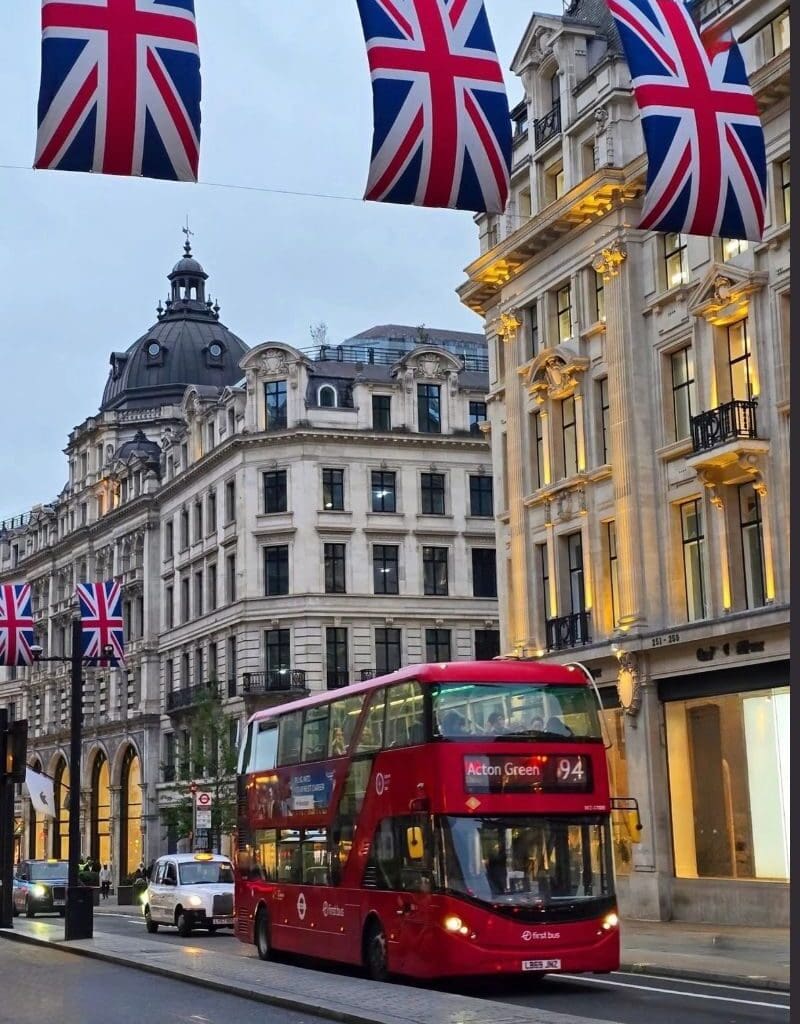
London is one of the world’s most famous cities, known for its historic landmarks, royal palaces, world-class museums, West End theatres, shopping streets, diverse food scene and vibrant neighbourhoods.
But before planning a trip to the British capital, many travellers ask an important question:
Is London expensive?
The short answer is yes, London can be an expensive city to visit, particularly when it comes to hotels, restaurants and popular attractions. However, it doesn’t have to cost a fortune. With the right planning, you can enjoy many of London’s highlights without spending excessively.
Some of the city’s best experiences are completely free. You can explore famous museums, walk along the River Thames, discover historic neighbourhoods, relax in royal parks and admire iconic landmarks without paying an entrance fee.
Your overall London trip cost depends on when you visit, where you stay, how you travel around the city, where you eat and how many paid experiences you include.
In this guide, we’ll break down how much a trip to London costs, including accommodation, food, public transport, attractions, shopping, visa requirements and everyday expenses. You’ll also find example budgets for couples, honeymooners and different travel styles, along with practical ways to save money.
How Much Does a Trip to London Cost?
London can accommodate different travel budgets, from a simple city break to a luxury holiday with five-star hotels, fine dining and exclusive experiences.
As a broad planning guide, you could budget approximately the following amounts per person per day:
| Travel Style | Approximate Daily Cost |
|---|---|
| Budget | £80–£160 |
| Mid-range | £140–£280 |
| Luxury | £350–£700+ |
| Ultra-luxury | £800+ |
What do these estimates include?
These are approximate overall daily budgets, including accommodation, food, local transport and a reasonable allowance for sightseeing. They assume that two people share a standard hotel room, so a solo traveller may spend more per person on accommodation.
They exclude international flights, visa or ETA fees, major shopping purchases and unusually expensive experiences. Your actual spending will depend on the season, hotel availability, exchange rates and personal preferences.
Estimated Cost of a Five-Night London Trip
For a five-night stay, the following estimates can help you begin planning:
| Travel Style | Approximate Cost Per Person |
|---|---|
| Budget | £400–£800 |
| Mid-range | £700–£1,400 |
| Luxury | £1,750–£3,500+ |
| Ultra-luxury | £4,000+ |
These are broad estimates for approximately five days of travel, with accommodation shared between two people. Allow extra for a sixth day’s meals or activities if your arrival and departure times give you additional sightseeing time.
If you’re travelling as a couple, sharing a hotel room can make the overall cost more manageable.
Is London Expensive?
Yes, London is generally considered an expensive destination, particularly compared with many cities in Asia and some other European destinations.
The biggest expenses are usually:
- Accommodation, especially in central London
- Restaurant meals and drinks
- Local transportation and airport transfers
- Paid attractions and entertainment
- Shopping and personal expenses
- International flights
However, London also offers plenty of opportunities to control your spending. Many national museums have free general admission, public parks are free to explore and several famous landmarks can be admired from outside without purchasing a ticket.
The key is deciding where you want to spend your money. You might choose a comfortable hotel, enjoy a few special restaurants and visit two or three paid attractions while filling the rest of your itinerary with free experiences.
London Accommodation Cost
Accommodation is usually one of the largest expenses in a London travel budget.
Prices vary considerably depending on the neighbourhood, season, hotel category, room size and how far in advance you book.
Budget Accommodation in London
Budget hotels, hostels and simple guesthouses can sometimes be found for approximately £30–£80 per person per night, particularly when sharing a room or choosing a hostel dormitory.
Hostels are generally among the cheapest options, while basic private rooms and guesthouses can offer a little more privacy.
Budget accommodation is often located outside the busiest tourist districts. This isn’t necessarily a disadvantage, provided your hotel is close to an Underground or rail station.
When comparing cheaper properties, check:
- Whether the bathroom is private or shared
- The walking distance to the nearest station
- Whether the room has a window
- Luggage storage and lift facilities
- Recent guest reviews and cleanliness
- Whether breakfast is included
A cheaper room farther from central London may not represent good value if you spend considerably more time and money travelling every day.
Mid-Range Hotels in London
A comfortable mid-range hotel might cost approximately £100–£250+ per room per night, depending on the location and travel dates.
Prices are often higher in popular central neighbourhoods such as:
- Westminster
- Soho
- Covent Garden
- Mayfair
- South Bank
- Kensington
If you’re looking for a comfortable stay without paying luxury-hotel prices, consider comparing properties in Paddington, King’s Cross, Earl’s Court, Bayswater and other well-connected areas.
These neighbourhoods can offer convenient access to central London while giving you more accommodation options.
Luxury Hotels in London
Luxury hotels in London can easily cost £300–£600+ per night, with some of the city’s most prestigious properties charging considerably more.
Mayfair, Knightsbridge, Westminster and central London are particularly well known for their five-star hotels.
If you’re celebrating a honeymoon, anniversary, birthday or special occasion, London offers an excellent selection of luxury properties with elegant suites, fine dining, spa facilities and views of famous landmarks.
For a luxury stay, you could explore hotels such as Claridge’s, The Connaught, The Dorchester, The Ritz London and The Savoy.
The final price will depend on your room category, season and booking conditions.
How to Save Money on London Accommodation
- Compare several neighbourhoods rather than choosing only the most famous areas.
- Book early for popular travel periods.
- Check flexible cancellation options.
- Compare the total price, including taxes and breakfast.
- Look at hotels close to Underground or rail stations.
- Consider staying slightly outside the main tourist centre.
You can compare accommodation through Booking.com or Trip.com.
For more detailed neighbourhood advice, read our guide: Where to Stay in London: 12 Best Areas, Neighbourhoods & Hotels.
London Food Cost
Food is one of the more flexible parts of a London travel budget.
You can eat relatively affordably with supermarket meals, takeaway options, cafés and food markets. Alternatively, London has an excellent fine-dining scene where a single meal can become a significant expense.
Budget Meals in London
A simple sandwich, takeaway, supermarket meal deal or casual meal might cost approximately £5–£15.
Supermarkets such as Tesco, Sainsbury’s and Marks & Spencer offer convenient options for breakfast, lunch, snacks and drinks.
You can also look for:
- Local bakeries and cafés
- Food markets
- Affordable international restaurants
- Traditional pubs offering reasonably priced meals
- Supermarket meal deals
For budget travellers, combining inexpensive lunches with one proper restaurant meal can be a useful way to manage food costs.
Mid-Range Restaurants
A meal at a casual or mid-range restaurant may cost approximately £15–£35 per person, excluding drinks.
London has an enormous international food scene, with restaurants serving everything from Indian, Italian and Japanese cuisine to Middle Eastern, Thai and contemporary British food.
You don’t need to spend a fortune to enjoy a good meal in the city. Exploring neighbourhood restaurants away from the busiest tourist streets can often provide better value.
Fine Dining in London
Fine dining can become one of the most expensive parts of your trip.
A tasting menu at a high-end restaurant may cost £100–£300+ per person before drinks and any additional charges.
London is home to Michelin-starred restaurants, elegant hotel dining rooms, contemporary tasting-menu experiences and traditional British restaurants.
If a special meal is part of your holiday, consider including it in your budget before you arrive rather than treating it as an unexpected expense.
How Much Should You Budget for Food?
As a general guide:
| Travel Style | Daily Food Budget Per Person |
|---|---|
| Budget | £20–£35 |
| Mid-range | £40–£70 |
| Luxury | £100–£200+ |
These are planning estimates rather than fixed restaurant prices.
How Much Does Public Transport Cost in London?
London has an extensive public transport network, making it relatively easy to explore different parts of the city without hiring a car.
You can travel using:
- London Underground
- London buses
- Elizabeth line
- London Overground
- National Rail services
- Trams
- River services
For most visitors, using a contactless bank card, compatible mobile payment device or Oyster card is one of the easiest ways to pay.
Contactless Payment and Oyster Cards
London uses a pay-as-you-go system for many public transport journeys. You touch in and out where required, and eligible journeys count towards daily and weekly fare caps.
The important thing is to use the same payment method throughout your journeys. For example, if you start travelling with your phone, continue using that same device rather than switching between your phone and a physical bank card.
For 2026, the adult daily cap for travel within Zones 1 and 2 is £8.90 on eligible Tube, DLR, Elizabeth line, London Overground and participating National Rail journeys. Bus and tram-only travel has a separate daily cap of £5.55.
Your actual costs depend on the zones you travel through and the services you use. Journeys outside the relevant capped areas may cost extra.
Always check the latest information before travelling through Transport for London (TfL).
Is the London Underground Expensive?
The London Underground can feel expensive compared with public transport in many other countries. However, it is one of the most convenient ways to travel between major attractions.
You can keep transport costs under control by:
- Walking between nearby attractions.
- Using buses for shorter or scenic journeys.
- Avoiding unnecessary taxi rides.
- Choosing accommodation close to a useful Tube or rail station.
- Making use of applicable daily and weekly fare caps.
Central London is surprisingly walkable. For example, Westminster Abbey, Big Ben, Buckingham Palace and St James’s Park can be combined into a sightseeing day without taking the Underground between every stop.
London Attraction Costs
London has a mixture of paid attractions, historic landmarks, museums and cultural experiences.
Some famous attractions charge admission, while many major museums offer free general entry.
Popular paid attractions include:
| Attraction | What to Expect |
|---|---|
| Tower of London | Historic fortress, Crown Jewels and exhibitions |
| London Eye | Panoramic views across the city |
| Westminster Abbey | Historic royal church and coronation site |
| St Paul’s Cathedral | Historic cathedral and architectural landmark |
| Tower Bridge Exhibition | Views and access to the bridge’s exhibition areas |
| Madame Tussauds | Celebrity and historical wax figures |
| Buckingham Palace State Rooms | Seasonal access during opening periods |
| The Shard | Observation experience and city views |
Ticket prices vary depending on the attraction, date, age category and booking type.
Some attractions offer timed entry, so booking ahead can help you secure your preferred visiting time. Always compare the official ticket price and booking conditions before purchasing.
Are London Attraction Passes Worth It?
London attraction passes can be useful if you plan to visit several paid attractions during a short stay.
However, they aren’t automatically the cheapest option.
Before buying one:
- Make a list of the attractions you genuinely want to visit.
- Check the individual ticket prices.
- Compare them with the pass price.
- Check whether reservations are required.
- Consider whether you have enough time to visit everything.
If your itinerary includes several free museums, parks and outdoor landmarks, paying individually for a smaller number of attractions may be better value.
Free Things to Do in London
One of the biggest advantages for budget travellers is London’s selection of free attractions.
Many major museums and galleries offer free general admission to their permanent collections, although special exhibitions and certain events may require paid tickets.
Popular free museums and galleries include:
- British Museum
- National Gallery
- Natural History Museum
- Victoria and Albert Museum
- Science Museum
- Tate Modern
- Tate Britain
- National Portrait Gallery
- Imperial War Museum
You can also enjoy plenty of outdoor experiences without paying an entrance fee.
Free Outdoor Experiences in London
- Walk along the River Thames.
- Explore Hyde Park and Kensington Gardens.
- Visit St James’s Park.
- Admire Big Ben and the Houses of Parliament from outside.
- Explore the streets of Covent Garden.
- Walk through Notting Hill.
- Discover the street art around Shoreditch.
- Explore the public spaces around Trafalgar Square.
- Enjoy the atmosphere of markets and neighbourhood streets.
These experiences can make a London holiday enjoyable even when you’re travelling on a tighter budget.
For more ideas, see Visit London’s guide to free things to do in London.
How Much Does a Day in London Cost?
Your daily spending will depend on whether you are travelling on a budget, choosing a comfortable mid-range experience or enjoying a luxury holiday.
The following examples exclude accommodation and international flights.
Budget London Day
| Expense | Approximate Cost |
|---|---|
| Breakfast | £5–£8 |
| Lunch | £7–£12 |
| Dinner | £10–£20 |
| Transport | £5–£10 |
| Attractions | £0–£20 |
| Coffee and snacks | £5 |
| Estimated total | £32–£75 |
A budget traveller can keep daily spending relatively low by using public transport, enjoying free attractions and choosing affordable meals.
Mid-Range London Day
| Expense | Approximate Cost |
|---|---|
| Breakfast | £10–£15 |
| Lunch | £12–£20 |
| Dinner | £25–£45 |
| Transport | £8–£12 |
| Attractions | £20–£40 |
| Coffee and snacks | £5–£10 |
| Estimated total | £80–£142 |
This budget allows for comfortable meals, a mixture of free and paid sightseeing and regular use of public transport.
Luxury London Day
| Expense | Approximate Cost |
|---|---|
| Breakfast | £20–£40 |
| Lunch | £30–£60 |
| Dinner | £70–£150+ |
| Private transport | £30–£80+ |
| Attractions and experiences | £50–£150+ |
| Shopping and extras | £100+ |
| Estimated total | £300–£580+ |
Luxury spending can increase considerably if you include private tours, premium theatre seats, designer shopping, afternoon tea or fine dining.
Remember that these daily examples exclude hotel accommodation. Add your share of the room cost to estimate your overall daily trip budget.
London Trip Cost for Couples
Travelling to London as a couple can be more cost-effective in some areas because you can share the cost of a hotel room.
You may also be able to share certain taxi journeys and other expenses.
For a five-night trip for two people, a broad planning estimate could be:
| Travel Style | Approximate Cost for Two |
|---|---|
| Budget Couple | £800–£1,600 |
| Mid-Range Couple | £1,400–£2,800 |
| Luxury Couple | £3,500–£7,000+ |
These estimates exclude international flights, visa or ETA fees and major shopping. They allow for five nights of accommodation and approximately five to six days of meals, transport and sightseeing, depending on arrival and departure times.
Budget Couple
A budget couple could choose a simple hotel or private guesthouse, eat at affordable restaurants, use public transport and spend more time exploring London’s free attractions.
Mid-Range Couple
A mid-range trip could include a comfortable hotel, a mixture of casual and nicer restaurants, public transport and several paid attractions.
Luxury Couple
A luxury London holiday could include a five-star hotel, fine dining, private transfers, premium experiences, theatre tickets and shopping.
Your choice of hotel will make a particularly significant difference to the total cost.
London Honeymoon Cost
London may not be a traditional tropical honeymoon destination, but it can be an excellent choice for couples who enjoy history, culture, luxury hotels, restaurants, shopping, theatre and city experiences.
A London honeymoon can range from a relatively affordable romantic break to an ultra-luxury holiday.
For a couple staying five nights, you might consider the following planning ranges:
| Honeymoon Style | Approximate Cost for Two |
|---|---|
| Budget | £1,000–£1,600 |
| Mid-range | £1,800–£3,500 |
| Luxury | £4,000–£8,000+ |
International flights and visa or ETA fees are additional.
For a romantic experience, you could consider a luxury hotel in Mayfair, an elegant stay in Kensington, an evening in the West End, afternoon tea, a Thames experience or a special restaurant reservation.
Couples can also combine London with destinations such as Paris, Rome, Edinburgh or Amsterdam for a longer European honeymoon itinerary.
For more inspiration, explore our London Travel Guide.
Shopping in London
Shopping can dramatically increase your London trip cost.
The city offers everything from affordable high-street fashion and independent boutiques to luxury designer brands and iconic department stores.
Popular shopping destinations include:
- Oxford Street
- Regent Street
- Bond Street
- Covent Garden
- Knightsbridge
- Harrods
- Westfield London
- Camden Market
- Portobello Road Market
For luxury shopping, Bond Street and Knightsbridge are particularly well known. Oxford Street and Regent Street offer a wider range of high-street and international brands.
If you’re travelling on a strict budget, set a shopping allowance before your trip. It is easy to spend more than expected in London’s famous shopping districts.
London Taxi and Uber Costs
Taxis and ride-hailing services are convenient, but they can be considerably more expensive than public transport.
A short journey may cost approximately £10–£25, while longer journeys can cost considerably more depending on distance, traffic, time of day and demand.
London traffic can also make road journeys slow, particularly during busy periods.
For most sightseeing trips, the Underground, buses and walking are usually more economical.
Consider using a taxi when:
- You’re travelling with several suitcases.
- You’re returning late at night.
- You’re travelling as a group.
- You’re going somewhere inconvenient by public transport.
- You need a direct airport transfer.
Always check the estimated fare before booking a ride-hailing service.
London (UK) Visa and Entry Costs
Entry requirements for the United Kingdom depend on your nationality, passport and reason for travel.
Some visitors need a Standard Visitor visa, while others may be eligible to travel with an Electronic Travel Authorisation (ETA). Some travellers may not need either, depending on their immigration status and nationality.
As of November 2026, the UK ETA application fee is £20, while a Standard Visitor visa for a visit of up to six months costs £135. These fees can change, so check the official government website before applying.
Before departure:
- Check whether you need a UK visitor visa or an ETA.
- Confirm that your passport meets the UK’s entry requirements.
- Apply through the official UK government website.
- Allow sufficient time for your application to be processed.
- Check the permitted length of stay and any supporting-document requirements.
Official resources:
- Check whether you need a UK visa or ETA
- Apply for a UK Electronic Travel Authorisation
- Apply for a UK Standard Visitor visa
Do not assume that another traveller’s entry requirements will be the same as yours. Always check using the passport you intend to travel with.
Is London More Expensive Than Paris?
London and Paris are both relatively expensive European capitals, but the answer depends on what you’re comparing.
Accommodation, restaurants, attractions, transportation and exchange rates can vary considerably between the two cities.
London may feel particularly expensive for travellers whose home currency is weaker against the British pound.
Paris can also become expensive in central tourist areas and during peak travel periods, particularly when hotel demand is high.
There are differences in how you can manage your spending. London has many free national museums and galleries, while both cities offer public parks, neighbourhood walks and free outdoor sightseeing.
Rather than assuming one city is always cheaper, compare the specific hotel, flight, restaurant and attraction prices for your travel dates.
For a separate destination guide, explore our Paris Travel Guide.
Is London More Expensive Than Dubai?
London and Dubai have different travel experiences and cost structures.
Dubai is known for luxury hotels, shopping malls, high-end restaurants and premium experiences. London has a broad range of accommodation, restaurants and activities, from budget-friendly options to some of the world’s most expensive experiences.
A budget traveller may find it easier to control daily spending in London by using public transport, visiting free museums, eating at supermarkets and choosing affordable restaurants.
Dubai can also be visited on different budgets, but luxury experiences can quickly become expensive.
The final cost depends more on your travel style, accommodation choices and activities than simply the destination.
Best Time to Visit London for Lower Prices
London is a year-round destination, but accommodation and travel costs can vary depending on demand.
Travelling outside particularly busy periods may help you find better hotel deals and more accommodation choices.
You can potentially save money by:
- Booking accommodation early.
- Comparing different neighbourhoods.
- Travelling outside major holiday periods.
- Being flexible with your dates.
- Booking popular attractions ahead of time.
- Comparing hotels outside the most expensive central districts.
Summer is popular because of longer daylight hours and a busy calendar of outdoor events. However, demand can increase hotel prices.
Winter can offer a different experience, particularly around Christmas, but festive periods can also be expensive.
Spring and autumn may offer a useful balance between sightseeing conditions and travel demand, although prices still depend on specific dates and events.
London’s weather is famously changeable, so pack appropriately whatever time of year you visit.
How to Save Money on a London Trip
You don’t need to sacrifice your entire experience to reduce your London travel budget. A few thoughtful decisions can make a noticeable difference.
1. Stay Near Public Transport
You don’t necessarily need to stay in the heart of Westminster, Soho or Covent Garden.
A hotel near an Underground or rail station can provide convenient access to central London while potentially costing less.
Compare the hotel price with the transport time and cost before making your decision.
2. Enjoy London’s Free Museums
Some of the world’s best museums and galleries have free general admission.
The British Museum, National Gallery, Natural History Museum, Science Museum and Tate Modern are excellent places to start.
Check whether special exhibitions require separate tickets.
3. Walk Whenever Possible
Central London has many attractions within walking distance of one another.
Walking can save money while allowing you to discover streets, parks, architecture and neighbourhoods you might otherwise miss.
4. Eat Away From Tourist Hotspots
Restaurants immediately beside major attractions can be expensive.
Explore side streets and local neighbourhoods for cafés, pubs and restaurants that offer better value.
5. Use Public Transport
Avoid relying on taxis for every journey.
Contactless payment or an Oyster card can make public transport convenient, while eligible fare caps help control daily travel costs.
6. Book Popular Attractions in Advance
Some attractions offer online tickets and timed entry.
Booking ahead can help you secure a preferred time and avoid disappointment during busy periods. Always compare the official ticket price before purchasing.
7. Compare London Attraction Passes
If you plan to visit several paid attractions, compare the cost of an attraction pass with buying individual tickets.
A pass is only good value if the attractions you want to visit are included and you have enough time to use it.
8. Plan Your Days by Neighbourhood
Try to group nearby attractions together instead of travelling across London several times in one day.
For example, you can combine Westminster’s landmarks in one day and explore South Kensington’s museums on another.
This saves time and helps reduce unnecessary transport journeys.
London Travel Budget: Example Five-Day Itinerary
Here is an example of how you could organise a five-day London trip while balancing paid attractions with free experiences.
Day 1 – Westminster and Royal London
Visit:
- Big Ben
- Houses of Parliament
- Westminster Abbey
- Buckingham Palace
- St James’s Park
You can admire several of these landmarks from outside without paying an entrance fee. Admission applies if you want to explore certain buildings and interiors.
Day 2 – Tower of London and the Thames
Visit:
- Tower of London
- Tower Bridge
- Borough Market
- River Thames
Allow time for the Tower of London if you want to explore its exhibitions and historic interiors.
Day 3 – Museums and Kensington
Explore:
- Natural History Museum
- Victoria and Albert Museum
- Science Museum
- Hyde Park
- Kensington
You can spend much of the day exploring the museums without paying general admission.
Day 4 – Central London and the West End
Explore:
- Covent Garden
- Leicester Square
- Piccadilly Circus
- Trafalgar Square
- National Gallery
- Soho
This is a good day for shopping, restaurants and an evening theatre performance if your budget allows.
Day 5 – Markets and Shopping
Choose from:
- Camden Market
- Portobello Road Market
- Oxford Street
- Regent Street
- Harrods
- Knightsbridge
You don’t need to visit every market or shopping district. Choose the places that best match your interests.
This itinerary lets you experience many major London highlights without spending money on a paid attraction every day.
How Much Money Do You Need for London Per Day?
If you’re planning a comfortable London holiday, a useful starting point is approximately £80–£150 per person per day excluding accommodation.
This can cover meals, local transport, coffee, snacks and some sightseeing, depending on your choices.
Budget travellers can spend considerably less by choosing affordable accommodation, preparing some meals, visiting free attractions and walking.
Travellers who prefer fine dining, private transfers, theatre performances and premium experiences should allow considerably more.
For a more complete budget, remember to add your hotel cost, international flights and any applicable visa or ETA fees.
Planning Your London Trip?
Want recommendations and an easier way to explore the city?
The London Insider Guide + Interactive Map from Trips With Sam brings together destination information and recommended places to help you organise your sightseeing and discover more of London.
Whether you’re visiting the famous landmarks, exploring different neighbourhoods or looking for places to eat and enjoy, the guide and map can help you plan your days more confidently.
Explore the London Insider Guide + Interactive Map →
Is London Worth the Money?
For many travellers, absolutely.
London offers an extraordinary combination of history, culture, entertainment, food, architecture, shopping, museums, parks and nightlife.
You can see centuries-old royal landmarks in the morning, visit a world-class museum in the afternoon, watch a West End show in the evening and finish the night at a restaurant serving cuisine from almost anywhere in the world.
The city can be expensive, but it also gives you plenty of opportunities to control your spending.
You don’t need to stay in a five-star hotel, eat at Michelin-starred restaurants or visit every paid attraction to have an unforgettable London experience.
With a well-planned itinerary, a suitable hotel and a balance of free and paid experiences, London can be enjoyed across a range of budgets.
Final Verdict: How Expensive Is London?
So, how expensive is London?
The short answer is that London can be an expensive city to visit, but your overall budget depends largely on where you stay, how you eat, how you travel and which experiences you choose.
Accommodation is often one of the biggest expenses, particularly in central London. Restaurant meals, theatre tickets, shopping and popular paid attractions can also add significantly to your daily spending.
However, there are plenty of ways to experience the city without overspending, from exploring free museums and royal parks to walking along the Thames and using public transport.
Your travel style also makes a difference:
- Budget travellers: Consider affordable accommodation, supermarket meals, public transport and free attractions.
- Mid-range travellers: Choose comfortable hotels, enjoy a mixture of restaurants and include selected paid experiences.
- Luxury travellers: Allow for five-star hotels, fine dining, premium shopping, West End theatre and exclusive experiences.
As a starting point, budget around £80–£160 per person per day for a budget trip or £140–£280 for a mid-range trip, including a share of accommodation. These are planning estimates, not fixed prices, and your actual spending will vary according to the season, exchange rates and activities you choose.
Ultimately, the answer to “How expensive is London?” comes down to your priorities. Plan your accommodation carefully, mix free attractions with paid experiences and book popular activities in advance where possible.
With the right balance, you can enjoy London’s history, culture, food and world-famous attractions while keeping your travel costs under control.
Plan Your London Trip with Trips With Sam
Planning a London holiday involves more than choosing a hotel and booking a flight. You may also want help deciding how many days to spend in the city, which attractions to prioritise, where to eat, how to organise transport and which neighbourhoods are worth exploring.
At Trips With Sam, I offer personalised travel-planning services shaped around your interests, travel style and budget.
Whether you’re planning a first visit, a family holiday, a romantic city break or a longer journey through the UK, I can help you create a personalised travel plan with recommendations and a practical day-by-day itinerary.
Get Your Personalised London Travel Plan with Trips With Sam →
I usually respond to planning enquiries within 24 hours.
Explore London Itineraries in the Trips With Sam Premium Travel Library
If you prefer a ready-made itinerary, explore the Trips With Sam Premium Travel Library, which includes downloadable travel itineraries across destinations.
London itinerary options include:
- London – 5-Day Luxury Itinerary
- England – London – 9-Day Luxury Itinerary
The Premium Travel Library offers access to a growing collection of travel itineraries, making it useful if you’re planning more than one destination.
Explore the Trips With Sam Premium Travel Library →
Recommended Travel Booking and Insurance Resources
Use these resources to compare options for your London trip. Always check the final price, booking conditions and cancellation terms before confirming.
Hotels and accommodation
Tours and activities
Airport transfers
Travel insurance
Affiliate disclosure: Some links in this article are affiliate links. Trips With Sam may earn a commission from qualifying bookings or purchases at no additional cost to you. This helps support our website and travel guides.
More London Travel Guides
Continue planning your London holiday with these guides:
- Where to Stay in London: 12 Best Areas, Neighbourhoods & Hotels – Compare London’s best neighbourhoods and recommended hotels.
- London Travel Guide – Explore London’s attractions, neighbourhoods and travel essentials.