Paris is a city best experienced beyond its famous landmarks. From elegant boulevards and historic neighbourhoods to charming cafés, beautiful gardens and riverside walks, the French capital has a way of making even an ordinary afternoon feel special.
Whether you are visiting for the first time, planning a romantic escape or returning to discover more of the city, a little preparation can make your trip considerably easier. Knowing where to stay, how to get around and which attractions deserve your time will help you enjoy Paris without feeling rushed.
This Paris Travel Guide covers everything you need to plan your visit, including entry requirements, the best time to travel, how to reach the city, transport, neighbourhoods, hotels, attractions, shopping, restaurants, day trips and a suggested three-day itinerary.
France – A Quick Overview
France is one of Europe’s most celebrated destinations, known for its history, art, architecture, fashion, cuisine and diverse landscapes. From the Mediterranean coastline and Alpine villages to historic cities and countryside retreats, the country offers a remarkable variety of experiences.
| Travel essential | Information |
|---|---|
| Capital | Paris |
| Official language | French |
| Currency | Euro (€) |
| Region | Western Europe |
| Time zone | Central European Time / Central European Summer Time |
| Main Paris airports | Charles de Gaulle (CDG) and Orly (ORY) |
| Main transport | High-speed trains, regional trains, metro and buses |
France shares borders with Belgium, Luxembourg, Germany, Switzerland, Italy, Monaco, Spain and Andorra. Its extensive rail network, including high-speed TGV services, makes travelling between many major French cities convenient.
The climate varies by region. Northern France generally experiences cooler winters and mild summers, while southern France enjoys a warmer Mediterranean climate.
Paris – The Capital City
Often called the City of Light, Paris is the cultural, fashion and culinary heart of France.
The city is divided into 20 administrative districts known as arrondissements, arranged in a clockwise spiral from the centre. Each has its own atmosphere, architecture and character.
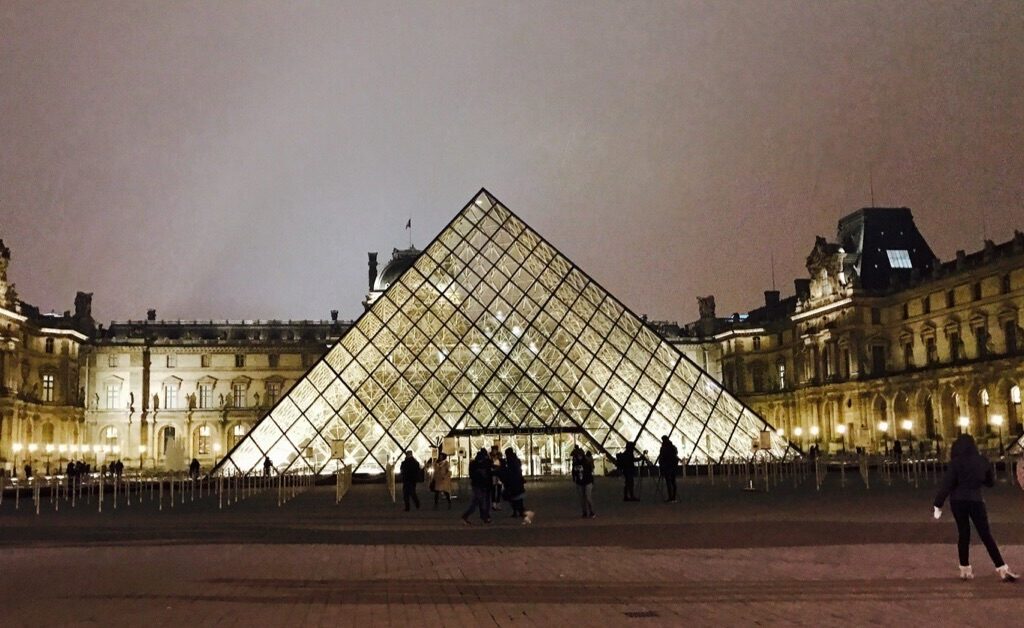
The historic 1st arrondissement is home to the Louvre and Palais-Royal, while Le Marais is known for its independent boutiques, galleries and cafés. Saint-Germain-des-Prés offers classic Parisian café culture, and Montmartre retains an artistic, village-like atmosphere.
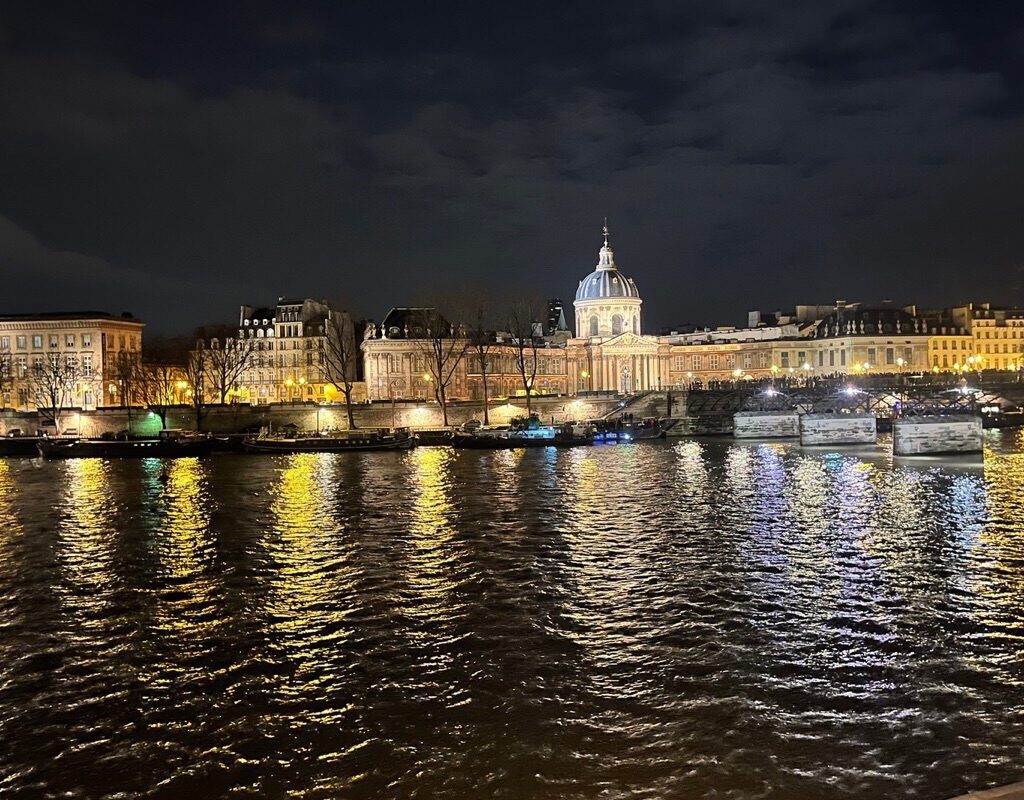
The Seine runs through the city, connecting many of its most recognisable landmarks. Walking along its riverbanks, exploring museums, discovering small neighbourhood streets or enjoying coffee at a traditional pavement café are all part of the Paris experience.
Schengen Visa and Entry Requirements
France is part of the Schengen Area. Whether you need a Schengen visa depends on your nationality, passport and purpose of travel.
Eligible visa-exempt visitors can generally stay in the Schengen Area for up to 90 days within any 180-day period for short visits. Travellers who require a visa should apply before departure and follow the requirements for their circumstances.
Before travelling:
Check whether your nationality requires a Schengen visa.
Confirm passport validity and any additional entry requirements.
Prepare accommodation, travel itinerary and financial documents if required.
Arrange qualifying travel medical insurance where applicable.
Check current visa fees, appointment availability and processing times.
Apply through the country where you will spend the longest part of your trip, following the relevant Schengen rules.
Official resources:
Visa requirements and procedures can change. Always check the official guidance relevant to your nationality before booking or travelling.
Best Time to Visit Paris
Paris is a year-round destination, but the atmosphere changes considerably with the seasons. The best time to visit depends on whether you prefer pleasant walking weather, outdoor dining, fewer crowds or the festive atmosphere of winter.
Spring – March to May
Spring is one of the loveliest times to explore Paris. Gardens begin to bloom, outdoor terraces become more inviting and the city gradually moves into warmer weather.
It is a particularly good season for walking around the Seine, visiting Luxembourg Gardens and exploring neighbourhoods such as Saint-Germain-des-Prés and Le Marais.
April and May can be popular, so book accommodation and major attractions in advance.
Summer – June to August
Summer brings long daylight hours, outdoor events and a lively atmosphere. It is a wonderful time for riverside walks, café terraces, evening cruises and exploring the city’s parks.
However, July and August can be busy, particularly around major attractions. Some smaller independent businesses may also close for part of the summer holiday period.
Book popular museums, restaurants and attractions ahead of time, and allow extra time for busy transport services.
Autumn – September to November
Autumn is an appealing season for travellers who enjoy a slightly calmer city atmosphere. September often retains pleasant weather, while October brings beautiful colours to Parisian gardens and tree-lined avenues.
It is a lovely time for museum visits, shopping, food experiences and leisurely neighbourhood walks.
Temperatures become cooler towards November, so pack layers and a light waterproof jacket.
Winter – December to February
Winter brings a different kind of charm to Paris. Festive decorations, seasonal shop windows, illuminated streets and cosy cafés create a beautiful atmosphere, particularly around Christmas and New Year.
It is also a good season for exploring museums, galleries and restaurants without spending the entire day outdoors.
Expect shorter daylight hours and colder weather. Pack a warm coat, comfortable shoes and suitable layers.
My recommendation: April to June and September to October are excellent periods for a first visit if you want a balance of comfortable sightseeing weather and the atmosphere of the city. December is particularly appealing if you want a festive Paris escape.
How to Get to Paris
Paris is served by two major international airports and several important railway stations. Your arrival point will depend on your airline, departure city and whether you are travelling from another European destination.
Paris Charles de Gaulle Airport (CDG)
Located northeast of the city, Charles de Gaulle is France’s largest international airport and the main arrival point for many long-haul flights.
You can reach central Paris by:
RER B train: Connects the airport with central stations including Gare du Nord, Châtelet–Les Halles and Saint-Michel–Notre-Dame.
Official taxi: Airport taxis operate with regulated fixed fares to designated areas of Paris. Journey times depend on traffic.
Private airport transfer: A convenient option if you have several bags, are travelling with family or prefer a pre-arranged pickup.
Paris Orly Airport (ORY)
Orly is located south of central Paris and serves many European and international routes.
Transport options include:
Metro Line 14: Provides a direct connection between Orly Airport and central Paris, including Châtelet.
Official taxi: Useful for a direct journey to your hotel, particularly if you are travelling with luggage.
Private transfer: A comfortable alternative for travellers who prefer to arrange their journey in advance.
Journey times and fares vary according to your destination, traffic and transport connections. Check current services before departure.
For pre-arranged pickups, you can compare airport transfer options here.
Arrival tip: Check which airport your flight uses before booking accommodation. A hotel that looks central on a map may still require a lengthy transfer depending on your arrival airport and transport connection.
Arriving in Paris by Train
Paris is one of Europe’s major railway hubs, with several stations connecting the capital to cities across France and neighbouring countries.
The main stations include:
Gare du Nord: International services from London, Brussels and Amsterdam, alongside regional connections.
Gare de Lyon: Services towards southeastern France, Lyon, Marseille, the French Alps and Italy.
Gare Montparnasse: Connections to western France, including Bordeaux and Brittany.
Gare de l’Est: Trains towards eastern France, Germany and Luxembourg.
Gare Saint-Lazare: Regional and intercity services towards Normandy.
If you arrive by train, check the station shown on your ticket before arranging your onward journey. Paris has several major stations, and they are not all located in the same neighbourhood.
Once you arrive, the metro, bus or an official taxi can take you to your accommodation.
Getting Around Paris
Paris has an extensive public transport network, making it relatively easy to explore without renting a car. For most visitors, a combination of walking and public transport is the most convenient way to get around.
Metro
The Paris Metro is one of the quickest ways to travel around the city. Its 16 lines connect major attractions, shopping districts, railway stations and residential neighbourhoods.
It is particularly useful for travelling between areas such as Montmartre, the Louvre, the Eiffel Tower district and the Latin Quarter.
RER Trains
The RER network connects central Paris with surrounding suburbs and destinations beyond the city centre. It is useful for journeys such as Versailles and certain airport connections.
Check the correct line and destination before boarding, as some routes branch beyond central Paris.
Buses
Buses offer an alternative to the metro and can be a scenic way to see the city. They are useful for shorter journeys and places that are less convenient to reach by underground transport.
Traffic can affect journey times, especially during busy periods.
Walking
Walking is one of the best ways to experience Paris. Neighbourhoods such as Le Marais, Saint-Germain-des-Prés, the Latin Quarter and the historic centre are particularly enjoyable on foot.
Some of the most memorable discoveries are found between the main attractions rather than inside them.
Vélib’ Bicycles
Paris has a public bicycle-sharing system called Vélib’, with traditional and electric bicycles available at stations throughout the city.
It can be a useful option for confident cyclists, although visitors should familiarise themselves with local cycling rules and dedicated lanes.
Taxis and Ride-Hailing
Taxis and ride-hailing services are useful for airport journeys, late-night travel or travelling with luggage.
At airports and railway stations, use official taxi ranks rather than accepting unsolicited offers from drivers.
Tickets and Travel Passes
Paris offers different public transport ticketing options, including single-journey tickets and passes for visitors or regular travellers.
The most suitable option depends on how often you plan to use public transport, which zones you need and how long you are staying. Airport journeys and trips outside central Paris may have different ticket requirements.
Before travelling:
Check the latest fares and ticket conditions.
Make sure your ticket or pass covers the zones and destinations you intend to visit.
Keep your ticket or travel card available during your journey.
Check whether a pass includes airport travel before relying on it.
For current transport information, routes and ticket options, consult Île-de-France Mobilités or the RATP website.
My recommendation: Avoid hiring a car for a typical Paris city break. Parking can be difficult and traffic is often heavy. Public transport and walking are generally more practical.
Paris Neighbourhoods – Understanding the Arrondissements
Choosing the right neighbourhood can make a considerable difference to your Paris experience. Each arrondissement has a distinct character, and understanding these differences will help you decide where to spend your time and where to book your hotel.
1st Arrondissement – Louvre and Palais-Royal
One of the most central areas of Paris, the 1st arrondissement is home to the Louvre Museum, Palais-Royal, Place Vendôme and Rue Saint-Honoré.
It is ideal for sightseeing, luxury shopping and exploring the historic heart of the city. Many central attractions are within walking distance, although accommodation here can be expensive.
3rd and 4th Arrondissements – Le Marais
Le Marais is known for its fashionable boutiques, historic architecture, independent galleries and lively cafés.
It is a wonderful area for walking, shopping and discovering a more contemporary side of Paris. Its restaurants and small streets make it particularly appealing for visitors who enjoy exploring beyond the main monuments.
5th and 6th Arrondissements – Latin Quarter and Saint-Germain-des-Prés
These neighbouring districts offer historic streets, bookshops, universities, traditional cafés and beautiful gardens.
The Latin Quarter has a lively atmosphere, while Saint-Germain-des-Prés is associated with classic Parisian elegance and café culture. Both are excellent for exploring the Left Bank.
7th Arrondissement – Eiffel Tower and Invalides
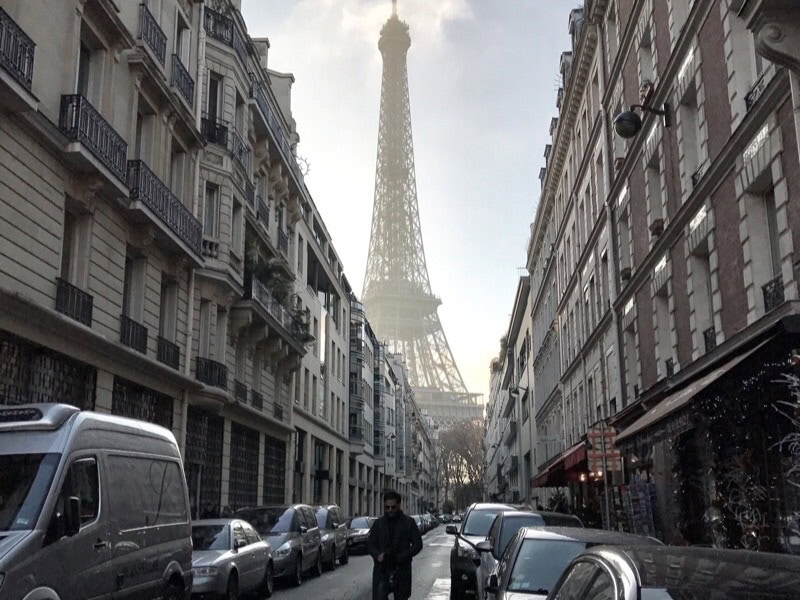
The 7th arrondissement is home to the Eiffel Tower, Les Invalides and elegant residential streets.
It is particularly appealing for visitors who want beautiful architecture, quieter surroundings and convenient access to some of Paris’s most famous landmarks.
8th Arrondissement – Champs-Élysées and Luxury Shopping
This district includes the Champs-Élysées, Arc de Triomphe, Avenue Montaigne and Avenue George V.
It is known for designer boutiques, luxury hotels, grand avenues and some of the city’s most recognisable addresses.
18th Arrondissement – Montmartre
Montmartre offers a very different atmosphere from central Paris. Its cobbled streets, artistic history, small cafés and Sacré-Cœur Basilica make it one of the city’s most distinctive neighbourhoods.
It is particularly beautiful for leisurely walks and panoramic views.
How Many Days Do You Need in Paris?
For a first visit, I recommend spending at least three full days in Paris. This gives you enough time to experience the major landmarks, explore historic neighbourhoods, enjoy its cafés and leave room for a little unplanned wandering.
Here is a general guide:
2 days: Suitable for a short city break covering the Eiffel Tower, Louvre area, Notre-Dame, the Seine and a few central neighbourhoods.
3 days: A good introduction to Paris, with time for major attractions, Montmartre, Le Marais and Saint-Germain-des-Prés.
4–5 days: Ideal for a more comfortable visit, with additional museums, shopping, food experiences and time to explore beyond the main tourist areas.
6–7 days: Best for a slower holiday, with the option of day trips to Versailles, Giverny or other destinations outside Paris.
If it is your first time in the city, I would choose four or five days if your schedule allows. Paris is best enjoyed without trying to fit every landmark into a single day.
Where to Stay in Paris – Best Areas and Neighbourhoods
Choosing the right location for your hotel can make your Paris trip much easier. The city is well connected by public transport, but staying close to the attractions and neighbourhoods you most want to explore can save valuable travel time.
These are six areas worth considering when choosing accommodation.
1. Louvre and Palais-Royal – Best for First-Time Visitors
The 1st arrondissement is one of the most convenient places to stay for a first visit. You will be close to the Louvre Museum, Palais-Royal, Tuileries Garden and the Seine, with many central attractions within walking distance.
It is particularly suitable for visitors who want to spend their days sightseeing and prefer a central location. Hotels here can be expensive, especially around the most prestigious addresses.
Why stay here: Excellent central location, major attractions, shopping and easy access to public transport.
2. Le Marais – Best for Cafés, Shopping and Local Atmosphere
Located mainly in the 3rd and 4th arrondissements, Le Marais is one of Paris’s most appealing neighbourhoods. Its historic streets, independent boutiques, galleries, cafés and restaurants make it a wonderful base for exploring.
It is a good choice for couples, solo travellers and visitors who enjoy discovering neighbourhood life rather than spending all their time around major monuments.
Why stay here: Characterful streets, independent shops, restaurants and a lively atmosphere.
3. Saint-Germain-des-Prés – Best for a Classic Parisian Experience
The 6th arrondissement is known for its elegant streets, traditional cafés, bookshops and relaxed atmosphere. It is also conveniently located for exploring the Latin Quarter, Luxembourg Gardens and the Left Bank.
Choose this area if you want a charming Parisian setting, good restaurants and a neighbourhood that is enjoyable to explore on foot.
Why stay here: Classic Parisian atmosphere, beautiful streets, cafés and convenient sightseeing.
4. Eiffel Tower and Invalides – Best for Landmark Views
The 7th arrondissement is an excellent option for visitors who want to stay near the Eiffel Tower. It has elegant residential streets, attractive cafés and easy access to Les Invalides and the Seine.
Some hotels offer impressive Eiffel Tower views, although these rooms often come at a premium. Check the exact room description before booking, as not every room in a hotel will have the same view.
Why stay here: Elegant surroundings, proximity to the Eiffel Tower and a quieter residential atmosphere.
5. Champs-Élysées and Madeleine – Best for Luxury Hotels and Shopping
The 8th arrondissement is associated with grand avenues, designer boutiques, luxury hotels and well-known Parisian addresses. It is a good choice for travellers who enjoy upscale shopping and a more polished hotel experience.
It is also convenient for visiting the Arc de Triomphe, Place de la Concorde and the Champs-Élysées.
Why stay here: Luxury accommodation, designer shopping, fine dining and grand Parisian architecture.
6. Montmartre – Best for Romantic Streets and Character
Montmartre, in the 18th arrondissement, offers a different atmosphere from central Paris. Its cobbled streets, artistic heritage, small cafés and views from the Sacré-Cœur Basilica make it a memorable place to explore.
It can be a lovely choice for couples and travellers looking for character and a more village-like setting. However, some streets are steep, and you may need to use public transport more often to reach central attractions.
Why stay here: Romantic atmosphere, artistic history, charming cafés and panoramic views.
My Recommendation – Which Area Should You Choose?
For most first-time visitors, I would prioritise the 1st, 4th, 5th, 6th or 7th arrondissements. These offer a convenient balance of sightseeing, restaurants, neighbourhood atmosphere and access to public transport.
If luxury hotels and shopping are your priority, consider the 8th arrondissement. If you prefer independent boutiques and lively cafés, Le Marais is an excellent alternative.
For a romantic stay, Saint-Germain-des-Prés and Montmartre are both worth considering, although they offer quite different experiences.
Hotels in Paris Worth Considering
Paris has accommodation for a wide range of budgets, from intimate boutique hotels to some of Europe’s most prestigious luxury properties.
If you prefer to choose a hotel before deciding on a neighbourhood, these are five established properties worth exploring.
Luxury Hotels
Le Meurice – 1st Arrondissement
Le Meurice is a prestigious luxury hotel overlooking the Tuileries Garden. Its central location makes it particularly convenient for the Louvre, Place Vendôme and the historic heart of Paris.
It is an appealing choice for travellers looking for classic Parisian elegance, refined interiors and a high-end hotel experience.
Hôtel Plaza Athénée – 8th Arrondissement
Located on Avenue Montaigne, Hôtel Plaza Athénée is one of Paris’s best-known luxury addresses. The surrounding streets are home to prestigious fashion houses, designer boutiques and elegant restaurants.
It is particularly suited to travellers who want a luxury stay close to the city’s fashion and shopping district.
Shangri-La Paris – 16th Arrondissement
Shangri-La Paris occupies a historic building in the 16th arrondissement and is known for its elegant interiors and views of the Eiffel Tower from selected rooms and areas of the property.
It offers a quieter residential setting while remaining within reach of major Paris attractions. Check the exact room category if an Eiffel Tower view is important to you.
Boutique and Contemporary Hotels
Hôtel des Grands Boulevards – 2nd Arrondissement
Hôtel des Grands Boulevards is a stylish boutique option in a central location. Its setting makes it convenient for exploring the Grands Boulevards, nearby restaurants and several central neighbourhoods.
It is worth considering if you prefer a contemporary boutique atmosphere rather than a traditional grand hotel.
Hôtel Dame des Arts – 6th Arrondissement
Hôtel Dame des Arts is a contemporary property in the Latin Quarter, well positioned for exploring the Left Bank, Saint-Germain-des-Prés and the historic centre.
Its location is particularly appealing for travellers who want to discover Paris on foot and enjoy the cafés, restaurants and streets around the 5th and 6th arrondissements.
These hotels suit different budgets and travel styles, so compare the exact room category, location, cancellation policy and included amenities before making a reservation.
For a more detailed selection of luxury properties, read our dedicated guide:
Luxury Hotels in Paris – Explore Our Hotel Recommendations →
You can also compare accommodation options:
Hotel booking tip: Compare the total price rather than only the nightly rate. Check taxes, breakfast, cancellation terms, room size and the distance to the nearest metro station. A slightly less central hotel may offer better value if it has a convenient transport connection.
Famous Landmarks and Places to Visit in Paris
Paris has an extraordinary collection of historic monuments, museums and architectural landmarks. Even if you have visited before, there is always something new to discover.
Eiffel Tower
The Eiffel Tower is the defining symbol of Paris and one of the city’s most recognisable landmarks. You can admire it from Trocadéro, the Champ de Mars and several locations along the Seine, or book a visit to its observation levels.
If you want to go up the tower, reserve tickets in advance where possible. Allow additional time for security and queues.
Louvre Museum
The Louvre is one of the world’s most famous art museums, home to an extraordinary collection spanning many periods and civilisations.
It is a large museum, so it is worth planning your visit around the collections and artworks you most want to see. Avoid trying to cover everything in a single visit.
Arc de Triomphe
Standing at the top of the Champs-Élysées, the Arc de Triomphe is an important Parisian monument. Visitors can climb to its rooftop terrace for impressive views across the city’s grand avenues.
Notre-Dame Cathedral
Located on the Île de la Cité, Notre-Dame Cathedral is one of the most important examples of French Gothic architecture. Its history and setting make it a significant stop when exploring the historic centre.
Check current visitor arrangements and any access restrictions before visiting.
Palais-Royal
The Palais-Royal is an elegant historic complex near the Louvre, with beautiful gardens, arcades and a peaceful atmosphere away from some of the busiest streets.
It is an enjoyable place to pause while exploring central Paris.
Pont Alexandre III
One of Paris’s most ornate bridges, Pont Alexandre III offers beautiful views across the Seine and towards several famous landmarks. It is particularly attractive for photography and an evening walk.
Sacré-Cœur Basilica
Located on the hill of Montmartre, Sacré-Cœur Basilica is known for its striking white architecture and panoramic views across Paris.
Explore the surrounding streets as well as the basilica itself. Montmartre’s smaller lanes and cafés are part of its appeal.
Sightseeing tip: Group attractions by neighbourhood rather than crossing the city repeatedly. Book timed-entry tickets for popular attractions in advance and leave some flexibility in your schedule.
Fashion Streets and Luxury Shopping
Paris is one of the world’s great fashion capitals, with everything from historic department stores to exclusive designer boutiques.
Some notable shopping addresses include:
Avenue Montaigne: Known for prestigious international fashion houses and luxury boutiques.
Rue Saint-Honoré: A stylish shopping street featuring designer labels and contemporary fashion.
Rue François 1er: An elegant address close to Avenue Montaigne.
Galeries Lafayette: A celebrated department store with an impressive interior, extensive shopping floors and rooftop views.
Le Bon Marché: A historic department store on the Left Bank, known for fashion, beauty and gourmet shopping.
For a wider shopping experience, explore Le Marais, Saint-Germain-des-Prés and the department stores around Boulevard Haussmann.
If you enjoy luxury shopping, allow time to explore the streets around Avenue Montaigne and the Golden Triangle. For independent boutiques and a more relaxed atmosphere, Le Marais is a better fit.
Cafés, Restaurants and Nightlife in Paris
Parisian food culture is as much about the atmosphere as the food itself. A leisurely breakfast, a long lunch or an evening drink at a neighbourhood bar can become a memorable part of your visit.
Famous Parisian Cafés
Café de Flore: A celebrated Saint-Germain-des-Prés café known for its literary associations and classic terrace.
Les Deux Magots: Another historic café with a long connection to Parisian writers and artists.
Both are well-known Paris institutions. They are worth experiencing for their history and atmosphere, although prices can be higher than at smaller neighbourhood cafés.
Restaurants to Explore
Le Relais de l’Entrecôte: Known for its steak-frites menu and traditional Parisian dining atmosphere.
CLAMATO: A seafood-focused restaurant with a relaxed, contemporary feel.
Flocon: A restaurant option to explore for a more intimate dining experience. Check its current location, opening details and reservation availability before visiting.
Paris has a remarkable range of restaurants, from traditional French bistros to contemporary dining rooms and international cuisine. It is worth choosing a few places in advance while leaving room for spontaneous discoveries.
Bars and Evening Experiences
Septime La Cave: A wine bar associated with the popular Septime dining scene.
La Robe & La Mousse: A relaxed bar known for its beer selection.
L’Avant Comptoir du Marché: A lively spot for wine and small plates.
Restaurant opening days, menus and reservation arrangements can change. Check directly with each venue before visiting, particularly if you are planning a special meal.
Local Experiences and Hidden Corners of Paris
Beyond the major attractions, some of the best Paris experiences are found in its everyday details.
Take a leisurely walk along the Seine and enjoy the views of its historic bridges.
Explore the narrow streets, boutiques and galleries of Le Marais.
Spend an afternoon discovering the cafés and bookshops of Saint-Germain-des-Prés.
Visit local food markets and browse seasonal produce, cheeses and pastries.
Take a Seine river cruise for a different perspective of the city’s architecture.
Discover Montmartre’s smaller streets beyond Place du Tertre and Sacré-Cœur.
Enjoy a traditional French breakfast at a neighbourhood bakery.
Spend time in the Tuileries Garden or Luxembourg Gardens when the weather is pleasant.
Allow yourself some unplanned time. Paris is particularly rewarding when you are not rushing from one attraction to another.
A 3-Day Paris Itinerary for First-Time Visitors
If you have three full days in Paris, this itinerary provides a balanced introduction to the city. It combines famous landmarks with neighbourhoods, museums, cafés and time to enjoy the atmosphere.
Day 1 – Eiffel Tower, Seine and the Historic Centre
Begin your morning around the Eiffel Tower and Trocadéro. Allow time to enjoy the views and, if you wish, visit the tower itself.
Continue towards Les Invalides before heading to the Seine. A river cruise is a lovely way to see several famous landmarks from the water.
In the afternoon, explore the Île de la Cité, including Notre-Dame Cathedral and the surrounding historic streets. Finish your day with dinner in Saint-Germain-des-Prés or along the Seine.
Day 2 – Louvre, Tuileries and Le Marais
Spend the morning at the Louvre Museum. It is a large museum, so plan your visit around the collections you most want to see rather than trying to cover everything.
Afterwards, walk through the Tuileries Garden towards Place de la Concorde. Continue to Place Vendôme and enjoy the elegant streets and shops nearby.
In the afternoon, head to Le Marais. Explore its independent boutiques, historic squares, galleries and cafés. Stay for dinner and enjoy the neighbourhood in the evening.
Day 3 – Montmartre, Opéra and Parisian Shopping
Start your day in Montmartre. Visit Sacré-Cœur Basilica, wander through the surrounding streets and enjoy the views over Paris.
Later, make your way towards the Opéra district. Depending on your interests, you can visit Palais Garnier, explore the Grands Boulevards or spend time shopping around Galeries Lafayette.
Finish your final evening with a relaxed dinner, a special dining experience or another walk along the Seine.
Planning note: This itinerary is a guide rather than a strict timetable. The Louvre and Eiffel Tower can each take several hours, so reserve timed-entry tickets and adjust the order according to your interests and opening times.
For a more detailed day-by-day plan, explore our Paris Itinerary: Complete Guide.
Best Day Trips from Paris
If you have four or more days in Paris, consider setting aside a day to explore beyond the capital. The surrounding region offers royal palaces, beautiful gardens, historic towns and countryside experiences.
Palace of Versailles – A Royal Day Trip
Located southwest of Paris, the Palace of Versailles is one of France’s most famous royal landmarks. Once the residence of French kings, the palace is renowned for its grand rooms, Hall of Mirrors and extensive gardens.
You can reach Versailles by train from Paris, including RER C services towards Versailles Château–Rive Gauche. Allow plenty of time to explore the palace and gardens, particularly during busier travel periods.
Check the official opening information and ticket arrangements before your visit, as access to the palace and gardens can vary.
For a more detailed guide covering the journey, tickets and what to see, read our Versailles Day Trip from Paris guide →.
Giverny – Monet’s House and Gardens
Giverny is famous for Claude Monet’s house and gardens, which inspired many of his paintings. It is a lovely excursion for art lovers and anyone who enjoys beautiful gardens.
Travel by train from Paris to Vernon–Giverny, then continue by shuttle or local transport. Check seasonal opening dates before planning your visit, as the gardens are not open throughout the year.
Both destinations are popular day trips, so check transport schedules and reserve attraction tickets in advance where possible.
Safety and Practical Tips for Paris Travel Guide
Paris is generally straightforward to explore, but a few precautions can make your visit more comfortable.
Watch your belongings: Pickpocketing can occur around busy attractions, railway stations and crowded metro services. Keep valuables secure and be particularly careful in crowded areas.
Use official taxis: At airports, follow the official taxi signs rather than accepting unsolicited offers.
Carry a payment card: Cards are widely accepted, although keeping a little cash in euros can be useful.
Plan around rush hour: Metro trains can become crowded, particularly during weekday commuting periods.
Book popular attractions ahead: The Eiffel Tower, Louvre and Palace of Versailles can be busy, especially during peak travel periods.
Learn a few French phrases: A simple greeting and polite expressions such as bonjour, merci and s’il vous plaîtare appreciated.
Check opening hours: Museums, restaurants and shops may have different opening days and seasonal schedules.
Keep an offline map: Download a map before exploring in case your mobile connection is unreliable.
Look after your travel documents: Keep a copy of important bookings and travel documents separate from your original passport.
Check your route before boarding: Make sure you are taking the correct metro or RER line and that your ticket covers the journey.
Plan Your Paris Trip with Trips With Sam
Paris is a city best explored at a relaxed pace. Spend time wandering through its neighbourhoods, discovering cafés, visiting museums and enjoying the beautiful streets between the major attractions.
Whether you are planning a romantic escape, a first visit to France or a longer European holiday, the right itinerary can help you make better use of your time.
Personalised Paris Travel Planning
If you would like help organising your trip, Trips With Sam offers personalised travel-planning services shaped around your interests, travel style and budget.
I can help you plan a more considered Paris experience, with tailored recommendations for neighbourhoods, accommodation, sightseeing, restaurants, day trips and the practical details of your journey.
Rather than following a generic itinerary, your travel plan can be shaped around the places and experiences that matter most to you.
Get Your Personalised Paris Travel Plan with Trips With Sam →
Get the Paris Insider Guide + Interactive Map
Make exploring Paris easier with the Trips With Sam Paris Insider Guide + Interactive Map. This digital travel companion brings together handpicked places, useful local tips and a curated map to help you organise your days and discover different parts of the city.
Explore the Paris Insider Guide + Interactive Map →
Explore the Trips With Sam Premium Travel Library
Planning more than one trip? The Trips With Sam Premium Travel Library includes downloadable travel itineraries and access to more than 100 travel itineraries across destinations around the world.
Explore the Premium Travel Library →
Lifetime access • All itineraries included
More Paris and France Travel Guides
Continue planning your trip with these related guides from Trips With Sam:
Next Up: Explore Paris Day by Day
Ready to start exploring? Continue with our first-day itinerary:
Paris – Day 1: Arrival in Paris and Exploring the 1st and 2nd Arrondissements →
Discover more Paris travel inspiration and explore the Paris Insider Guide + Interactive Map for handpicked places, local tips and a curated map to help plan your stay.
Disclosure: This article contains affiliate links. If you book through certain links, Trips With Sam may earn a commission at no additional cost to you. This helps support the website and its travel guides.