The City That Feels Like Home
“After more than 35 visits, Bangkok is no longer just a destination for me – it’s a place that feels like a second home.”
Why I Keep Coming Back
Most people visit Bangkok once. I keep returning because every trip feels different. The city constantly evolves while somehow preserving its warmth, incredible hospitality and unmistakable energy.
Whether it’s your first visit or your fifteenth, Bangkok always has something new waiting around the corner.
The Bangkok I Love
What makes Bangkok special isn’t just its famous temples or rooftop bars – it’s the little moments.
Early mornings beside the Chao Phraya River, discovering a hidden café, browsing local markets or simply watching the city come alive from a BTS Skytrain window.
The people are welcoming, the atmosphere is vibrant and, despite being one of Asia’s busiest capitals, Bangkok has a surprising ability to make you feel at ease.
From luxury shopping and incredible food to traditional Thai massages and riverside evenings, there is always another reason to return.
Bangkok is a city where ancient temples, traditional markets and Thai street food meet luxury hotels, designer shopping malls and spectacular rooftop bars. Thailand’s capital is energetic, colourful and full of contrasts, offering something for almost every kind of traveller.
Whether you are visiting for a few days, planning a luxury city break or beginning a longer Thailand holiday, Bangkok is a destination worth exploring.
This Bangkok Travel Guide covers the best time to visit, airport transfers, attractions, shopping, Thai food, hotels, spas, rooftop bars and the best day trips and weekend getaways from the city.
Best Time to Visit Bangkok
The best time to visit Bangkok is generally November to February, when the weather is relatively cooler, humidity is more manageable and rainfall is usually lower.
November to February: The most comfortable period for sightseeing, walking tours, markets and outdoor dining. It is also a popular tourist season, so book hotels in advance.
March to May: Bangkok becomes extremely hot and humid. Plan outdoor activities early in the morning and spend the hotter afternoons in shopping malls, cafés or spas.
June to October: The rainy season brings occasional heavy showers. You can still enjoy the city, but allow flexibility in your sightseeing plans.
Bangkok can be visited throughout the year. If you prefer fewer crowds, the shoulder and rainy seasons can offer a different experience, although the weather may be less predictable.
How Many Days Do You Need in Bangkok?
Bangkok is a city that deserves more than a quick stopover. With its beautiful temples, lively markets, shopping malls, rooftop bars, riverside restaurants and neighbourhood cafés, there is plenty to experience.
For a first visit, I recommend spending at least three to four full days in Bangkok. This gives you enough time to explore the main attractions while still enjoying the city’s food, shopping and everyday atmosphere without rushing.
Here is how much time you might want to plan:
2 days: Suitable for a short city break. Focus on the Grand Palace, Wat Pho, Wat Arun, the Chao Phraya River, Chinatown and one evening experience.
3 days: A good introduction to Bangkok, with time for the historic temples, shopping districts, local markets, rooftop dining and a little neighbourhood exploration.
4–5 days: My recommended duration for first-time visitors. You can explore the major attractions, enjoy Thai food, visit different shopping areas, experience the nightlife and take your time discovering the city.
6–7 days: Ideal if you want a slower stay, additional markets and cultural experiences, or a day trip outside Bangkok.
If you have extra time, consider visiting Ayutthaya, the former capital of Siam, or exploring destinations such as Pattaya or Hua Hin.
Personally, I would choose four or five days for Bangkok. It is a city I have returned to many times, and there is always another restaurant, café, market or neighbourhood worth discovering. You don’t need to fill every hour with sightseeing; some of the best experiences come from simply enjoying the city at your own pace.
How to Reach Bangkok: Airports and Transfers
Bangkok has two main international airports. Check your arrival airport before booking accommodation or arranging transfers.
Suvarnabhumi International Airport (BKK)
Suvarnabhumi is Bangkok’s main international airport, approximately 30–35 km from central Bangkok, depending on your hotel location.
Ways to reach the city:
Airport Rail Link: Connects the airport with central Bangkok and the Phaya Thai interchange. The journey to Phaya Thai takes around 25–30 minutes.
Taxi: Usually around 40–60 minutes to central areas in normal traffic, but considerably longer during rush hours.
Private transfer: A convenient choice for families, groups and travellers carrying several bags.
Don Mueang International Airport (DMK)
Don Mueang is approximately 20–25 km from central Bangkok, depending on your destination. It serves many domestic and regional low-cost airlines.
You can reach the city by taxi, ride-hailing services, airport buses and the SRT Red Line, which connects with Bangkok’s wider rail network.
Travel tip: Bangkok traffic can be unpredictable. Allow extra time for airport journeys, especially during weekday morning and evening rush hours.
For a more comfortable arrival, book a Bangkok airport transfer.
Where to Stay in Bangkok – Best Areas and Neighbourhoods
Choosing the right area can make a big difference to your Bangkok experience. The city is large, and traffic can be unpredictable, so I recommend choosing accommodation close to a BTS Skytrain or MRT station whenever possible.
Bangkok offers everything from international luxury hotels and riverside resorts to boutique properties, serviced apartments and affordable guesthouses. The best neighbourhood depends on whether you are visiting for sightseeing, shopping, nightlife, food or a more relaxed stay.
Here are the areas I would consider when planning a Bangkok trip.
1. Sukhumvit – Best for First-Time Visitors, Restaurants and Nightlife
Sukhumvit is one of Bangkok’s most popular accommodation areas, with a wide choice of hotels, international restaurants, cafés, shopping malls and nightlife.
The area stretches across several neighbourhoods, so it is worth considering the location of your hotel carefully.
Asok: Convenient for transport, with access to both BTS Asok and MRT Sukhumvit stations. Terminal 21 is also nearby.
Phrom Phong: A more polished neighbourhood with shopping centres, cafés, restaurants and attractive hotels. It is a good option for couples and families.
Thong Lo: Known for stylish restaurants, cocktail bars, cafés and a more contemporary Bangkok atmosphere.
Ekkamai: A little further east, with cafés, restaurants and a more residential feel.
Why stay here: Excellent transport connections, a large hotel selection, restaurants, shopping and nightlife.
My recommendation: Asok and Phrom Phong are particularly convenient for first-time visitors who want to explore different parts of Bangkok.
2. Siam and Chit Lom – Best for Shopping and Families
Siam is Bangkok’s main shopping district and one of the most convenient places to stay if shopping is high on your list.
You will find major shopping centres such as Siam Paragon, Siam Center, Siam Discovery and CentralWorld within easy reach. The BTS interchange at Siam also makes it convenient to travel around the city.
Chit Lom is another excellent option, with access to CentralWorld, Erawan Shrine and several well-known shopping and hotel addresses.
Why stay here: Shopping malls, restaurants, family-friendly facilities and excellent BTS connections.
My recommendation: Choose Siam or Chit Lom if you want a central location and plan to spend plenty of time shopping.
3. Silom and Sathorn – Best for a Balanced City Stay
Silom and Sathorn offer a different atmosphere from Sukhumvit. The area combines business districts, restaurants, hotels, local food spots and evening entertainment.
Lumphini Park is nearby, offering a welcome green space in the middle of the city. Silom is also well connected through the BTS and MRT networks, making it convenient for exploring Bangkok.
Sathorn has several excellent hotels, including luxury properties with attractive city views.
Why stay here: Convenient transport, restaurants, business facilities and a good balance between modern Bangkok and local experiences.
My recommendation: Silom and Sathorn are worth considering if you want a well-connected base without staying directly in the busiest parts of Sukhumvit.
4. Riverside – Best for Luxury Hotels, Couples and River Views
The Chao Phraya Riverside is one of Bangkok’s most beautiful places to stay. The area offers elegant hotels, river-view restaurants, boat services and a more relaxed atmosphere than some of the city’s busier shopping and nightlife districts.
Several of Bangkok’s best-known luxury hotels are located along the river. It is also a convenient base for exploring riverside landmarks, depending on your hotel’s location and boat connections.
Why stay here: Scenic views, luxury accommodation, romantic dining and easy access to river transport.
My recommendation: Choose the Riverside if you want a more memorable hotel experience, especially for a honeymoon, anniversary or special occasion. Check whether your hotel offers a shuttle boat and its operating hours.
5. Old City and Rattanakosin – Best for Temples and History
If your main reason for visiting Bangkok is its historic landmarks, consider staying around the Old City, also known as Rattanakosin.
This area is close to the Grand Palace, Wat Pho and other important cultural attractions. You can explore many historic sites without having to travel across the city.
The area has boutique hotels, smaller guesthouses and traditional accommodation options. However, it has fewer direct BTS connections, so check the nearest MRT station or river pier before booking.
Why stay here: Historic surroundings, temples, cultural attractions and a quieter sightseeing-focused experience.
My recommendation: This is a good choice if you want to concentrate on Bangkok’s heritage and traditional architecture.
6. Khao San Road and Banglamphu – Best for Budget Travellers
Khao San Road is famous for its backpacker atmosphere, affordable accommodation, casual bars, street food and lively nightlife.
Banglamphu also has quieter streets and traditional guesthouses, making it possible to stay near the Old City without being directly in the busiest part of Khao San Road.
The main drawback is transport. There is no BTS station directly on Khao San Road, so you may need to rely on taxis, buses, river boats or nearby MRT connections.
Why stay here: Budget accommodation, social atmosphere, casual nightlife and proximity to historic attractions.
My recommendation: If you prefer a quieter night’s sleep, choose a hotel on a nearby side street rather than directly on Khao San Road.
7. Chinatown – Best for Street Food and Local Experiences
Bangkok’s Chinatown, particularly Yaowarat Road, is one of the city’s most interesting food destinations.
The neighbourhood is known for its street food, traditional shops, markets, Chinese temples and lively evening atmosphere. It is a wonderful place to explore on foot and discover a different side of Bangkok.
MRT Wat Mangkon provides convenient access to the area.
Why stay here: Street food, local culture, markets, photography and distinctive neighbourhood character.
My recommendation: Chinatown is particularly appealing to food lovers and repeat visitors who want to explore beyond the usual tourist districts.
My Recommendation – Which Area Should You Choose?
For most first-time visitors, I would shortlist Sukhumvit, Siam, Silom or the Riverside. Each offers a different experience:
| Area | Best for |
|---|---|
| Sukhumvit | First-time visitors, restaurants and nightlife |
| Siam and Chit Lom | Shopping and families |
| Silom and Sathorn | Convenient sightseeing and a balanced city stay |
| Riverside | Luxury hotels, couples and river views |
| Old City | Temples, culture and history |
| Khao San Road and Banglamphu | Budget travellers and backpackers |
| Chinatown | Street food and local experiences |
One important tip: Bangkok traffic can be heavy, particularly during peak hours. Before booking, check how far your hotel is from the nearest BTS or MRT station. A convenient location can save you a surprising amount of travel time.
For hotel comparisons, you can browse Bangkok accommodation on Booking.com or compare hotels on Trip.com.
Compare the exact hotel location, room category, breakfast inclusions and cancellation conditions before booking.
Best Places to Visit in Bangkok
Bangkok’s attractions range from historic royal landmarks and magnificent temples to traditional neighbourhoods and modern riverside developments.
1. The Grand Palace and Wat Phra Kaew
The Grand Palace is one of Bangkok’s most famous landmarks and a highlight of any first visit. Its elaborate buildings, courtyards, golden details and traditional architecture reflect Thailand’s royal heritage.
Within the complex is Wat Phra Kaew, home to the revered Emerald Buddha. Allow a few hours to explore the grounds, and dress modestly when visiting.
2. Wat Arun – Temple of Dawn
Located beside the Chao Phraya River, Wat Arun is recognised for its impressive central tower decorated with colourful porcelain and intricate details.
Visit during the day to appreciate the architecture or enjoy the view from across the river around sunset. It is particularly beautiful when illuminated in the evening.
3. Wat Pho – Temple of the Reclining Buddha
Wat Pho is famous for its enormous Reclining Buddha statue and beautiful temple grounds. It is close to the Grand Palace, making it easy to combine both attractions in one morning.
The temple is also closely associated with traditional Thai massage and is an interesting stop for visitors interested in Thai wellness traditions.
4. Wat Saket – The Golden Mount
Wat Saket sits on an artificial hill in Bangkok’s historic district. Climb the steps to reach the golden chedi and enjoy panoramic views across the city.
It offers a quieter temple experience compared with some of Bangkok’s busiest landmarks.
5. Wat Benchamabophit – The Marble Temple
Known for its elegant white marble architecture, Wat Benchamabophit is one of Bangkok’s most photogenic temples. Its peaceful courtyard and detailed design make it a worthwhile stop for architecture lovers.
6. Jim Thompson House
This traditional Thai-style house was once the home of American businessman Jim Thompson, who helped bring international attention to Thai silk. Today, it operates as a museum displaying Thai art, antiques and architecture.
7. Chinatown – Yaowarat
Bangkok’s Chinatown is one of the city’s most exciting neighbourhoods. Explore its busy streets, gold shops, traditional stores and famous street-food stalls.
Visit in the evening when the area becomes especially lively with food vendors and restaurants.
8. Chao Phraya River
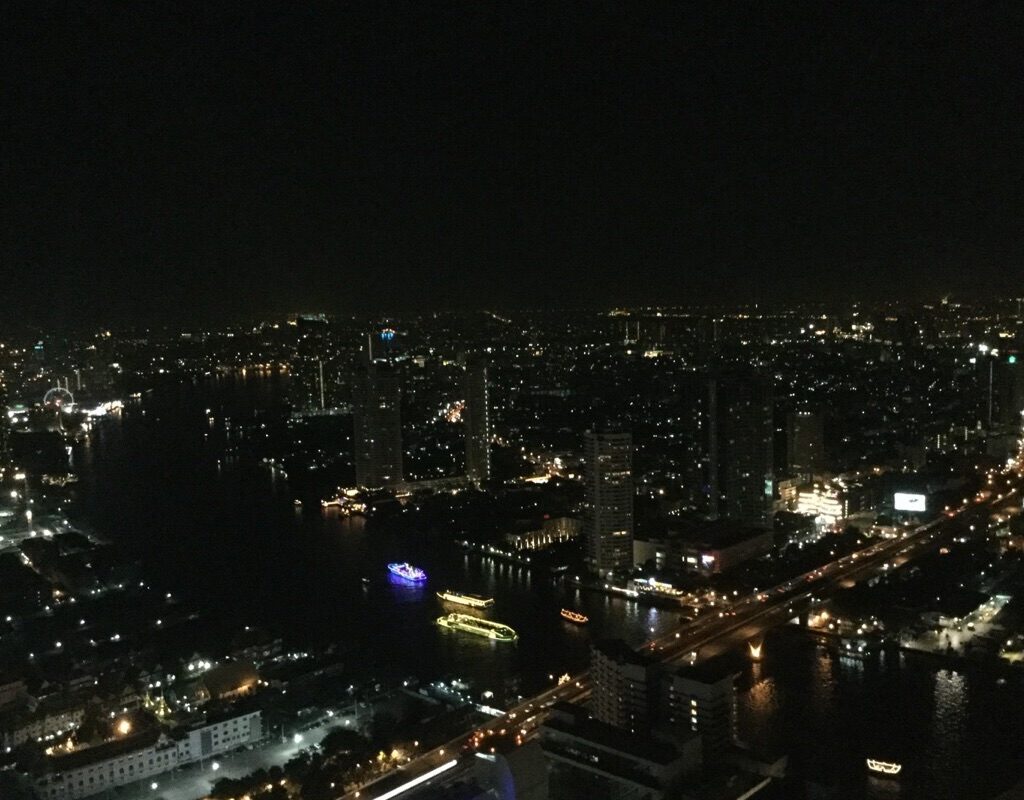
The river is an important part of Bangkok’s character. Take a public boat, explore the riverside temples or enjoy a dinner cruise to see the city’s illuminated skyline.
Tours and activities
Best Shopping Malls and Markets in Bangkok
Bangkok is one of Southeast Asia’s leading shopping destinations. Its malls combine international fashion, luxury brands, restaurants, entertainment and impressive architecture.
Best Shopping Malls
ICONSIAM: A spectacular riverside shopping destination with luxury brands, restaurants, international labels and Thai-inspired food areas. It is worth visiting even if you are not planning a major shopping trip.
Siam Paragon: One of Bangkok’s best-known luxury shopping malls, featuring designer brands, fashion, beauty stores, restaurants and entertainment.
CentralWorld: A large shopping and lifestyle destination with international fashion, homeware, restaurants and cafés.
EmQuartier and Emporium: Stylish shopping centres in the Sukhumvit district, popular for fashion, beauty, dining and premium retail.
MBK Center: A popular option for affordable shopping, electronics, accessories, clothing and souvenirs.
Terminal 21: A themed shopping mall with floors inspired by international cities and a popular food court.
Best Markets in Bangkok
Chatuchak Weekend Market: One of the world’s best-known weekend markets, selling clothing, handicrafts, homeware, plants and souvenirs.
Pratunam Market: A busy shopping area known for affordable clothing and fashion.
Asiatique The Riverfront: A riverside destination combining shopping, dining and entertainment.
Damnoen Saduak Floating Market: A popular floating market outside Bangkok, often visited as part of an organised excursion.
Amphawa Floating Market: A traditional market experience, particularly known for its evening atmosphere on operating days.
Check opening days and hours before visiting, especially for weekend and floating markets.
Thai Food to Try in Bangkok
Bangkok is a wonderful destination for food lovers. From street-food stalls to stylish restaurants, the city offers an incredible variety of Thai dishes.
Some of the best foods to try include:
Pad Thai: Stir-fried rice noodles with egg, tofu, peanuts and a choice of prawns or other ingredients.
Tom Yum Goong: A spicy and sour soup traditionally prepared with prawns, herbs and fragrant spices.
Som Tam: A refreshing green papaya salad with a spicy, tangy dressing.
Mango Sticky Rice: A much-loved Thai dessert made with sweet sticky rice, fresh mango and coconut milk.
Massaman Curry: A rich, fragrant curry with influences from several culinary traditions.
Khao Pad: Thai-style fried rice, often served with egg, vegetables or seafood.
Boat Noodles: A flavourful noodle soup traditionally served in small bowls.
Moo Ping: Grilled marinated pork skewers commonly sold at street-food stalls.
Thai Green Curry: A fragrant coconut-based curry with herbs, chillies and vegetables or meat.
For an authentic food experience, explore Chinatown, local neighbourhood restaurants and traditional markets. If you prefer a more refined dining experience, Bangkok also has excellent Thai fine-dining restaurants.
Best Hotels in Bangkok
Bangkok has accommodation for every budget, from stylish boutique hotels to some of Southeast Asia’s most impressive luxury properties.
Here are a few hotels worth considering:
Luxury Hotels
Mandarin Oriental Bangkok: An iconic riverside property known for its elegant atmosphere, exceptional service and dining.
Capella Bangkok: A high-end riverside retreat with beautifully designed accommodation and a peaceful setting.
The Siam: A distinctive luxury boutique hotel with striking architecture, private spaces and a riverside location.
The Peninsula Bangkok: A well-known luxury hotel offering panoramic river views and convenient boat access.
Siam Kempinski Hotel Bangkok: An excellent option for travellers who want luxury accommodation close to Siam’s shopping district.
Upscale and Mid-Range Hotels
Eastin Grand Hotel Sathorn: A popular upscale hotel with convenient BTS access.
Chatrium Hotel Riverside Bangkok: Offers spacious accommodation, river views and a relaxed atmosphere.
Grande Centre Point Terminal 21: Convenient for shopping and public transport in the Sukhumvit area.
Carlton Hotel Bangkok Sukhumvit: A modern upscale option close to restaurants, shopping and transport.
Your ideal hotel location depends on the type of holiday you want. Riverside is particularly appealing for luxury stays, Siam is convenient for shopping, and Sukhumvit offers restaurants, nightlife and public transport.
For more neighbourhood advice and hotel recommendations, read our Where to Stay in Bangkok guide.
You can also compare Bangkok hotel prices on Booking.com.
Best Spas and Thai Massage Experiences
A traditional Thai massage is one of the experiences worth including in your Bangkok holiday. The city has everything from affordable local massage shops to luxurious hotel spas.
Consider these well-known options:
Health Land Spa & Massage: A popular choice for traditional Thai massage and other treatments.
Let’s Relax Spa: A recognised spa brand with several locations around Bangkok.
Banyan Tree Spa Bangkok: A luxury wellness experience with a range of relaxing treatments.
The Oriental Spa at Mandarin Oriental: An elegant riverside spa offering premium treatments.
Oasis Spa: Known for its selection of massage and wellness experiences.
You can also explore the traditional massage heritage of Wat Pho. Book popular hotel spas ahead of time, especially on weekends.
Best Rooftop Bars for Sunset Drinks
Bangkok’s rooftop bars are among the city’s most memorable experiences. They offer panoramic views of the skyline, the Chao Phraya River and the city’s illuminated buildings.
Some popular choices include:
Sky Beach at King Power Mahanakhon: Bangkok’s highest rooftop bar, offering cocktails, food, music and spectacular 360-degree skyline views.
Vertigo and Moon Bar: Located at Banyan Tree Bangkok, with impressive views across the city.
Octave Rooftop Lounge & Bar: A popular Sukhumvit rooftop with panoramic views.
Sky Bar at lebua: Famous for its elevated views over the Chao Phraya River and Bangkok skyline.
Tichuca Rooftop Bar: Known for its tropical-inspired design and lively atmosphere.
SEEN Restaurant & Bar: A stylish riverside rooftop at Avani+ Riverside Bangkok.
Worth visiting: Even if you don’t plan to have drinks, visit the Mahanakhon SkyWalk for its glass-floor experience and incredible views from the top of the tower.
For the best atmosphere, arrive shortly before sunset. Check dress codes, reservation requirements and minimum spends before visiting.
Best Day Trips and Weekend Getaways from Bangkok
Bangkok is an excellent base for exploring other parts of Thailand. You can visit ancient ruins, beaches, national parks and seaside towns without travelling too far from the capital.
The following distances and journey times are approximate, as traffic, route and departure point can make a significant difference.
1. Ayutthaya – Ancient Temples and Historic Ruins
Distance: Approximately 80 km north of Bangkok.
Travel time: Around 1–1.5 hours by car, depending on traffic.
Ayutthaya is one of Thailand’s most rewarding day trips. Once the capital of the Kingdom of Siam, the city is now famous for its ancient temples, brick ruins and historic Buddha statues.
Highlights include Wat Mahathat, Wat Phra Si Sanphet and Wat Chaiwatthanaram.
How to get there: Take a train from Bangkok’s Krung Thep Aphiwat Central Terminal, travel by bus or hire a private car. Organised day tours are also available.
Recommended stay: One full day.
2. Pattaya – Beaches and Coastal Entertainment
Distance: Approximately 150 km southeast of Bangkok.
Travel time: Around 2–3 hours by car, depending on traffic.
Pattaya is a popular coastal getaway with beaches, restaurants, nightlife and family attractions. It is suitable for a weekend break if you want a change from Bangkok’s busy streets.
Explore Pattaya Beach, Jomtien Beach, the Sanctuary of Truth and nearby attractions. Koh Larn, also known as Coral Island, is a popular boat trip from the Pattaya area.
How to get there: Travel by private car, taxi, bus or minivan. A direct road journey is usually the easiest option.
Recommended stay: 1–2 nights.
3. Khao Yai – National Parks and Nature Escapes
Distance: Approximately 160–180 km from Bangkok, depending on the park entrance or hotel.
Travel time: Around 2.5–3.5 hours by car.
Khao Yai is an excellent choice for travellers who want to escape the city and enjoy nature. The area is known for its national park, waterfalls, forest landscapes, wildlife and countryside resorts.
Highlights include Khao Yai National Park, Haew Suwat Waterfall, scenic viewpoints, vineyards and nature-focused accommodation.
How to get there: A private car or rental car is the most convenient option. Organised tours are available, while public transport generally requires additional transfers.
Recommended stay: 2 nights for a relaxed weekend.
4. Hua Hin – Relaxed Beaches and Luxury Resorts
Distance: Approximately 200 km southwest of Bangkok.
Travel time: Around 3–4 hours by car, depending on traffic.
Hua Hin is a relaxed seaside destination with sandy beaches, resorts, cafés, seafood restaurants and traditional markets. It is particularly appealing for couples and families looking for a quieter coastal break.
Explore Hua Hin Beach, Cicada Market, the local night markets and nearby countryside attractions.
How to get there: Travel by car, private transfer, bus or train from Bangkok. The train journey is a pleasant alternative if you prefer not to drive.
Recommended stay: 2–3 nights.
5. Chiang Mai – Northern Thailand’s Cultural Capital
Distance: Approximately 690 km north of Bangkok.
Travel time: Around 1 hour 15 minutes by direct flight, excluding airport time. Overnight trains generally take around 10–13 hours, depending on the service.
Chiang Mai is a very different experience from Bangkok. Known for its temples, mountain scenery, night markets and northern Thai cuisine, it deserves more than a quick day trip.
Visit Wat Phra That Doi Suthep, explore the Old City, browse the night markets and enjoy the region’s distinctive food.
How to get there: Flying is the fastest option, with frequent domestic services from Bangkok. Overnight trains are a scenic alternative for travellers with more time.
Recommended stay: 3–4 nights.
For more ideas, see our Best Day Trips and Weekend Getaways from Bangkok guide.
Getting Around Bangkok
Bangkok is a large city, and traffic can be heavy, especially during weekday rush hours. Public transport is often the easiest way to travel between popular neighbourhoods.
BTS Skytrain: Useful for Siam, Sukhumvit and Silom.
MRT Metro: Convenient for Chinatown, Chatuchak and other central areas.
River boats: A scenic way to reach riverside attractions.
Taxis and Grab: Useful for destinations not close to train stations.
Tuk-tuks: Fun for shorter journeys. Agree on the fare before setting off.
The BTS, MRT and river services have separate fare systems and payment arrangements, so check the current options before travelling.
Suggested 3-Day Bangkok Itinerary
Day 1 – Historic Bangkok: Visit the Grand Palace, Wat Phra Kaew and Wat Pho. Cross the river to Wat Arun, then spend the evening exploring Chinatown and its street-food scene.
Day 2 – Shopping and City Experiences: Explore Siam Paragon, CentralWorld or ICONSIAM. Enjoy a Thai massage in the afternoon and finish the day with sunset drinks at a rooftop bar.
Day 3 – Markets and the Riverside: Visit Chatuchak Weekend Market if your dates allow, or explore a local market and café. Enjoy a Chao Phraya River cruise or a relaxed riverside dinner.
If you have more time, add a day trip to Ayutthaya or extend your holiday with a weekend in Pattaya, Khao Yai or Hua Hin.
Practical Tips for Bangkok Travel Guide
Temple etiquette: Cover your shoulders and knees, and remove footwear where required.
Cash and cards: Carry some Thai baht for smaller vendors and markets, although cards are widely accepted in larger establishments.
Transport: Use the BTS and MRT when possible to avoid road congestion.
Traffic: Allow extra time for airport journeys and cross-city transfers.
Weather: Wear light clothing, stay hydrated and carry sunscreen.
Shopping: Check market opening days and compare prices before buying.
Rooftop bars: Check dress codes and reservation policies.
Travel insurance: Consider suitable cover for medical expenses, delays and other unexpected travel problems. You can explore SafetyWing or World Nomads.
Thailand Visa Requirements and Entry Costs
Thailand’s visa requirements depend on your nationality, passport and length of stay. Some travellers qualify for visa-free entry, while others need a visa in advance or may be eligible for a visa on arrival. Always check the latest rules before travelling.
Foreign travellers must also complete the Thailand Digital Arrival Card (TDAC) within three days before arrival. It is free and is not a visa.
Before departure:
Check your passport validity and visa requirements.
Confirm your permitted length of stay.
Complete the TDAC through the official website.
Keep your accommodation and onward travel details accessible.
Official resources:
Entry rules can change, so check official guidance shortly before departure.
How Much Does a Bangkok Holiday Cost?
Bangkok can suit a wide range of budgets. Street food, local transport and affordable hotels make it possible to explore the city economically, while luxury hotels, private tours, fine dining and rooftop experiences offer a more premium holiday.
Your overall spending depends on accommodation, travel season, dining preferences and sightseeing choices.
For a more detailed breakdown of accommodation, meals, transport and holiday budgets, read our Thailand Trip Costguide.
Plan Your Bangkok Trip with Trips With Sam
Choosing the right neighbourhood is only the beginning. Knowing which attractions to group together, where to eat, how to get around and which places are worth prioritising can make your Bangkok trip much easier to organise. The Bangkok Insider Guide + Interactive Map from Trips With Sam is designed to help you explore the city with curated places, practical local tips and an interactive map you can use while planning.
If you’d like help organising a more personalised trip, you can also explore these resources:
- Personalized Travel Planning — Get help organising a trip around your interests, budget and travel dates.
- Premium Travel Itineraries — Explore ready-made travel inspiration and itineraries for your next getaway.
Affiliate disclosure: Some links in this article are affiliate links. Trips With Sam may earn a commission from qualifying purchases at no additional cost to you.
Frequently Asked Questions
Where should first-time visitors stay in Bangkok?
Siam and Sukhumvit are both excellent options. Siam is convenient for shopping and central BTS connections, while Sukhumvit offers a wide choice of restaurants, hotels and nightlife. Choose a hotel close to a station to make sightseeing easier.
Which area is best for nightlife in Bangkok?
Sukhumvit is a popular choice for nightlife, rooftop bars, restaurants and entertainment. The atmosphere varies by neighbourhood, so check the location carefully if you prefer a quieter hotel.
Is Riverside worth staying in Bangkok?
Yes, particularly if you value luxury hotels, river views and a more relaxed atmosphere. Check the hotel’s boat services and transport connections before booking.
Is Bangkok safe for tourists?
Bangkok is a major tourist destination, but sensible precautions are important. Keep valuables secure in crowded places, use reputable transport options, be cautious of unsolicited offers and check current local advice before travelling.
How many nights should you stay in Bangkok?
Two or three nights can work for a short city break, while three to five nights gives you more time for temples, shopping, food experiences and neighbourhood exploration. Your ideal stay depends on whether Bangkok is your main destination or part of a longer Thailand itinerary.
Final Thoughts
Bangkok has something for every kind of traveller, from luxury riverside hotels to budget guesthouses near historic temples. Choosing the right neighbourhood can help you spend less time in traffic and more time enjoying the city. For a first visit, I’d choose Siam for central convenience or Sukhumvit for its mix of transport, dining and nightlife. For a romantic luxury stay, Riverside is hard to beat, while the Old City is ideal for travellers who want to focus on Bangkok’s history and temples. Once you’ve chosen your area, compare hotel locations, transport connections and cancellation policies before booking.
More Thailand Travel Guides
Continue planning with these related Trips With Sam guides: