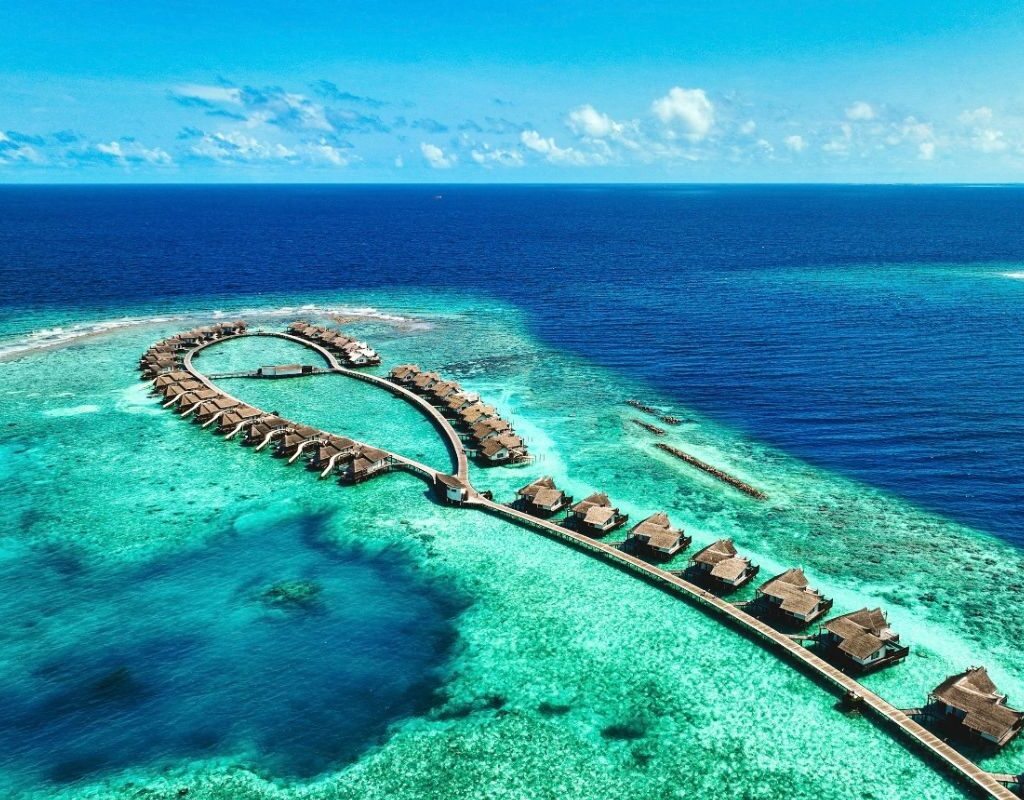

The Maldives is one of the world’s most beautiful island destinations, famous for its turquoise lagoons, white-sand beaches, overwater villas and extraordinary marine life. But while the islands are warm throughout the year, the weather changes with the seasons, and choosing when to visit can make a real difference to your holiday.
Some months are ideal for sunshine-filled beach days, honeymoon escapes and underwater adventures. Others offer fewer visitors, potentially better resort prices and excellent opportunities for surfers and marine-life enthusiasts.
So, when is the best time to visit the Maldives?
This month-by-month guide covers the weather, seasons, activities and travel costs to help you choose the right time for your trip.
When Is the Best Time to Visit the Maldives?
For most travellers, the best time to visit the Maldives is between November and April, during the generally drier northeast monsoon season.
These months usually bring more sunshine, lower rainfall and calmer sea conditions, making them particularly appealing for beach holidays, island hopping, snorkelling and diving.
However, this is also the busiest travel period. Resorts can be more expensive, particularly around Christmas, New Year and February.
If you prefer fewer crowds and more competitive accommodation prices, consider travelling between May and October. This is the wetter southwest monsoon season, when rainfall and cloud cover are generally more frequent. However, it does not rain continuously, and sunny spells are still possible.
Ultimately, the right month depends on whether you prioritise reliable sunshine, lower prices, water activities or a quieter island escape.
Maldives Weather and Seasons
The Maldives has a tropical climate, with warm temperatures throughout the year. You can generally expect daytime temperatures of around 28°C–31°C (82°F–88°F) and nighttime temperatures of approximately 25°C–27°C (77°F–81°F).
Rather than experiencing four distinct seasons, the country has two main monsoon periods.
Dry Season: November to April
The dry season generally brings more sunshine, lower rainfall and calmer conditions.
It is the most popular time for:
- Luxury beach holidays
- Honeymoons and romantic escapes
- Snorkelling and diving
- Island hopping
- Sunset cruises and water sports
December to February is particularly popular, so book your accommodation and transfers well ahead if travelling during the festive period.
Wet Season: May to October
The southwest monsoon brings a greater chance of rain, stronger winds and occasionally rougher seas.
However, the wet season can still be a rewarding time to visit. Rain showers may be followed by sunshine, and many resorts offer more competitive rates during periods of lower demand.
It is particularly appealing to:
- Budget-conscious travellers
- Surfers looking for larger waves
- Divers interested in seasonal marine-life encounters
- Visitors seeking a quieter resort experience
Weather conditions vary, and no month guarantees uninterrupted sunshine or rain.
Best Time to Visit the Maldives: Month-by-Month Guide
January – Excellent for Sunshine and Beach Holidays
January is one of the most popular months to visit the Maldives. It falls within the dry season, when sunny days, warm temperatures and generally calmer seas create excellent conditions for a tropical holiday.
It is a wonderful month for couples planning a honeymoon, families looking for a beach escape and travellers who want to spend plenty of time outdoors.
Best for:
- Honeymoons and romantic holidays
- Beach relaxation
- Snorkelling and diving
- Island hopping
- Sunset cruises
Travel tip: January is a popular holiday month, so book your preferred resort and transfers early, especially if travelling around the New Year period.
February – One of the Best Months Overall
February is often considered one of the best months to visit the Maldives. It is typically among the driest periods of the year, with plenty of sunshine and favourable conditions for enjoying the islands.
The clear weather makes it a particularly attractive choice for travellers who want to spend their days swimming, exploring coral reefs or relaxing beside a turquoise lagoon.
Best activities:
- Snorkelling and diving
- Luxury resort stays
- Island hopping
- Water sports
- Sunset cruises
Travel tip: February is an excellent choice if weather is your main priority, but expect strong demand at popular resorts.
March – Ideal for Diving and Underwater Visibility
March continues the generally dry and sunny conditions. Temperatures remain warm, and the sea is often inviting for swimming and water-based activities.
It is a particularly appealing month for divers and snorkellers, although underwater visibility can vary depending on the atoll, currents and local conditions.
For couples, March also offers an attractive combination of sunshine, romantic resort experiences and long days by the water.
Best for:
- Diving and snorkelling
- Beach holidays
- Honeymoon escapes
- Luxury island stays
- Water sports
Travel tip: If underwater experiences are important to your holiday, ask your resort or dive centre about the conditions around your chosen atoll.
April – Warm Weather Before the Wet Season
April marks the transition towards the wetter part of the year. The first part of the month can still offer excellent beach conditions, although showers may become more frequent as the month progresses.
It is generally a good time for travellers who want to enjoy the dry-season atmosphere while potentially finding more attractive accommodation rates towards the end of the month.
Best for:
- Beach holidays
- Snorkelling and diving
- Couples and honeymooners
- Water sports
- Late dry-season escapes
Travel tip: April can be a good shoulder-season option, but compare prices carefully around Easter and other holiday periods.
May – The Beginning of the Wet Season
May marks the beginning of the southwest monsoon. Rainfall generally becomes more frequent, and the weather can be less predictable than during the dry season.
However, the Maldives remains warm, and there can still be plenty of opportunities to enjoy the beaches and lagoons between showers.
This month may also bring more attractive resort offers compared with the busiest winter period.
Best for:
- Travellers looking for resort offers
- Surfing
- Relaxed island stays
- Flexible itineraries
Travel tip: Choose a resort with good indoor facilities and a range of activities, so you have alternatives if the weather changes.
June – A Quieter Time for Island Escapes
June falls within the southwest monsoon season. Rain showers, cloud cover and stronger winds are possible, although conditions vary across the islands.
The benefit is that visitor numbers are often lower than during the peak season, and some resorts may offer more competitive rates.
It can suit travellers who are comfortable with a flexible holiday and do not mind occasional interruptions to outdoor plans.
Best for:
- Potentially lower accommodation prices
- Quieter resort experiences
- Surfing
- Spa and wellness holidays
- Flexible travellers
Travel tip: Check the cancellation conditions and transfer arrangements before booking, particularly if your resort requires a seaplane journey.
July – A Popular Month for Surfing
July is part of the southwest monsoon season and is known among surfers for its larger waves and more active surf conditions.
Rain and wind are possible, but warm temperatures make it possible to enjoy the islands throughout the month.
Some resorts may also offer seasonal promotions, making July worth considering if you are looking for a luxury stay at a more competitive price.
Best for:
- Surfing
- Relaxed resort holidays
- Spa experiences
- Travellers seeking seasonal deals
Travel tip: If surfing is your priority, research the surf season and conditions around your chosen island before booking.
August – Warm Days and Occasional Rain
August brings a mixture of sunshine, cloud cover and tropical showers. It is not as consistently dry as the winter months, but there can still be beautiful periods of weather.
For travellers who value a quieter atmosphere and are flexible about their daily plans, August can be an appealing option.
Best for:
- Potentially better resort rates
- Relaxed beach escapes
- Surfing
- Spa and wellness experiences
Travel tip: Plan a mix of outdoor and indoor activities rather than building your entire holiday around uninterrupted sunshine.
September – A Budget-Friendly Month to Consider
September is generally one of the wetter months in the Maldives. Rainfall can be frequent, and sea conditions may be less predictable.
However, lower seasonal demand can make it an attractive month for travellers hoping to reduce accommodation costs. Resort promotions may be available, although actual savings depend on the property and booking dates.
Marine-life encounters can also be rewarding in certain areas, depending on the season and local conditions.
Best for:
- Budget-conscious travellers
- Resort promotions
- Surfing
- Diving and marine-life experiences
Travel tip: If you are travelling in September, allow flexibility in your plans and check the weather and sea conditions before arranging excursions.
October – The Transition Towards the Dry Season
October is another transition month. The southwest monsoon generally begins to ease towards the end of the month, although rainfall can still occur.
It can be a useful shoulder-season option for travellers who want to visit before the busier winter months begin.
Best for:
- Travellers seeking fewer crowds
- Potential seasonal accommodation offers
- Diving and snorkelling, depending on local conditions
- Flexible island holidays
Travel tip: Compare late-October and November prices. The weather may gradually improve, but conditions can still be variable.
November – The Return of the Dry Season
November generally marks the transition towards the drier northeast monsoon season.
Rainfall often begins to decrease, and conditions become increasingly favourable for beach holidays. However, the change is gradual, so occasional showers are still possible.
It is a lovely month to visit if you want to enjoy the Maldives before the busiest festive travel period.
Best for:
- Beach holidays
- Honeymoons
- Snorkelling and diving
- Island hopping
- Early winter escapes
Travel tip: November can offer a good balance between improving weather and the build-up to peak-season demand.
December – A Festive Island Escape
December is one of the most sought-after months to visit the Maldives, especially towards Christmas and New Year.
The dry season is returning, and travellers can enjoy warm temperatures, beautiful beaches and a festive atmosphere at many luxury resorts.
It is particularly popular with honeymooners, couples and families looking for a memorable winter holiday.
Best for:
- Christmas and New Year holidays
- Honeymoons
- Luxury resort stays
- Beach relaxation
- Romantic experiences
Travel tip: Festive accommodation can sell out well in advance, and some resorts apply special holiday supplements. Check the total cost before confirming your booking.
Best Time to Visit the Maldives for Different Activities
The ideal month can change depending on what you want to experience. Here is a quick guide to planning around the main activities.
Best Time for a Maldives Honeymoon
December to April
The generally drier weather, warm sunshine and calmer seas make these months especially appealing for romantic holidays.
Couples can enjoy overwater villas, private beach dinners, sunset cruises and days spent exploring the lagoons.
If you are planning a special celebration, remember that Christmas, New Year and February can be particularly busy.
Explore our guide to the 10 Best Maldives Overwater Honeymoon Villas for inspiration.
Best Time for Diving
January to April
The drier months are often favoured for diving because conditions can offer good underwater visibility in many areas.
However, visibility and marine-life encounters vary by atoll, currents and local conditions. If you have a particular diving experience in mind, check with a local dive centre before choosing your travel dates.
Best Time for Snorkelling
November to April
The generally calmer conditions during the dry season can make snorkelling more comfortable, particularly for beginners and casual swimmers.
Many resorts have house reefs, while others arrange boat trips to nearby snorkelling locations. Ask about reef access and marine conditions before booking.
Best Time for Surfing
May to October
The southwest monsoon season generally brings stronger swells, making this period popular with surfers.
Surf conditions depend on the island, reef break and weather, so check the local surf forecast and the season for your chosen location.
Best Time to See Whale Sharks and Manta Rays
Season and location matter.
The Maldives is known for its manta rays and whale sharks, but sightings are not guaranteed throughout the year. Their movements vary by species, feeding conditions and location.
Some areas are known for seasonal encounters during the southwest monsoon, while others can offer opportunities at different times of the year.
If seeing these animals is a major reason for your trip, choose your atoll based on local seasonal information rather than relying on a single nationwide month-by-month rule.
Cheapest Time to Visit the Maldives
If your priority is saving money, consider travelling during the May to October wet season.
This is generally a period of lower demand compared with the dry-season peak, and some resorts may offer more competitive room rates, packages or added benefits.
Potential advantages include:
- More competitive accommodation prices
- Seasonal resort promotions
- Fewer visitors at some properties
- Greater flexibility when comparing travel dates
September is often considered one of the more affordable months, although prices vary by resort, island, room category and booking period.
Remember that a lower room rate does not automatically mean a cheaper holiday. Transfers, meal plans, excursions and taxes can add significantly to the final cost.
For a more detailed budget breakdown, read our Maldives Honeymoon Cost Breakdown: Complete Guide.
Peak Season vs Off-Season in the Maldives
| Travel period | Months | Main advantages | Things to consider |
|---|---|---|---|
| Peak dry season | December–February | Generally drier weather, sunshine and favourable beach conditions | Higher demand and resort prices |
| Dry season | March–April | Good beach conditions and popular for water activities | April can bring changing weather |
| Wet season | May–October | Potentially lower prices and fewer visitors | More frequent rain and variable sea conditions |
| Seasonal transition | November | Improving weather before peak season | Conditions can remain changeable |
What to Pack for the Maldives
The Maldives has a warm tropical climate, so lightweight clothing and beach essentials should form the basis of your packing list.
Consider bringing:
- Lightweight cotton or linen clothing
- Swimwear and beachwear
- Sunglasses and a sun hat
- Reef-conscious sunscreen
- Comfortable sandals or flip-flops
- A waterproof phone pouch
- A light rain jacket
- A reusable water bottle
- Snorkelling equipment, if you prefer using your own
- A light outfit for evenings
If you plan to visit local islands, remember that the Maldives is a Muslim country. Dress modestly in public areas and follow local guidance, particularly when visiting inhabited islands and public beaches. Resort dress codes may be different.
Practical Tips for Choosing Your Travel Dates
Before booking your Maldives holiday, keep these points in mind:
1. Choose your dates around your priorities. If reliable sunshine is most important, consider December to April. If you are more flexible and want to compare seasonal offers, look at May to October.
2. Compare the full holiday cost. Check accommodation, meals, transfers, taxes and activities together. A resort with a lower nightly rate may have expensive transfers or meal plans.
3. Check the resort’s location. Weather and marine conditions can differ between atolls. Research the island and nearby activities rather than relying only on national seasonal averages.
4. Book festive travel early. Christmas and New Year are particularly popular, so availability and prices can change quickly.
5. Keep your plans flexible during the wet season. Allow alternative activities for days when rain or rough seas affect excursions.
6. Check transfer schedules. Seaplane and boat transfers operate according to schedules and weather conditions. Confirm the arrangements with your resort before finalising your international flights.
For a complete overview of islands, accommodation, transport and activities, explore our Maldives Itinerary: Complete Guide for First-Time Visitors.
Frequently Asked Questions
What is the best month to visit the Maldives?
February is often considered one of the best months because it usually falls within the drier season and offers favourable conditions for beach holidays, snorkelling and diving. January, March and early April are also excellent options for many travellers.
Is the Maldives worth visiting during the rainy season?
Yes. The Maldives can still be enjoyable between May and October. Rain showers may interrupt outdoor plans, but they do not necessarily last all day. This period can also bring more competitive resort rates and fewer visitors.
What is the cheapest month to visit the Maldives?
September is often among the more affordable months because it falls within the wetter season. However, prices vary by resort, availability and booking dates, so compare several months before making a decision.
Is December a good time to visit the Maldives?
Yes. December is a popular month, particularly towards Christmas and New Year. It offers the appeal of the returning dry season, but festive demand can make accommodation and travel more expensive.
How many days should I spend in the Maldives?
For most travellers, 5–7 days is a good amount of time to relax, enjoy resort facilities and experience activities such as snorkelling, diving and island excursions. A longer stay may be worthwhile if you plan to visit multiple islands or split your holiday between a local island and a luxury resort.
Can you visit the Maldives all year round?
Yes. The Maldives is a year-round destination, with warm temperatures throughout the year. The main difference is the amount of rainfall, sunshine and variation in sea conditions between the two monsoon seasons.
Is the Maldives sunny during the rainy season?
There can still be plenty of sunshine during the wet season, but cloud cover and rainfall are generally more frequent. Conditions vary, and it is not possible to guarantee sunny weather in any particular month.
Final Thoughts: Choosing the Best Time to Visit the Maldives
The Maldives is beautiful throughout the year, but the best time to visit depends on the kind of holiday you have in mind.
For sunshine, calmer seas and classic tropical beach conditions, November to April is generally the most appealing period. February is an especially strong choice for travellers who prioritise dry weather.
If you are more interested in competitive resort prices, surfing or a quieter atmosphere, the months from May to October may be worth considering.
Whichever season you choose, take time to compare the atolls, accommodation, transfers and experiences available. With the right planning, a Maldives holiday can be memorable in any month.
Download the Complete Maldives Luxury Itinerary
Plan your island escape with a beautifully organised travel itinerary covering the experiences and details that make a Maldives holiday special.
The complete Maldives itinerary is available as a downloadable PDF inside the Trips With Sam Premium Travel Library, alongside more than 70 travel itineraries covering destinations around the world.
View the Full Maldives Itinerary PDF
Lifetime access · All itineraries included
Recommended Travel Booking & Insurance Tools for the Maldives
Planning your trip is easier when you can compare accommodation, activities and travel services in advance. These are some platforms to explore while organising your holiday.
Hotels & Accommodation
Tours & Activities
Airport Transfers & Local Transport
Travel Insurance
Affiliate disclosure: Some links in this article are affiliate links. If you book through them, Trips With Sam may earn a commission at no additional cost to you.
More Maldives Travel Guides
Planning a holiday or honeymoon in the Maldives? Explore our related guides for more detailed advice.
The 10 Best Maldives Overwater Honeymoon Villas
Discover beautiful overwater villas and romantic resort stays for couples.
Read the guide
Maldives Itinerary: Complete Guide for First-Time Visitors
Explore islands, activities, resort areas and ideas for planning your stay.
Read the guide
Maldives Visa on Arrival Rules 2026: Everything You Need to Know
Review entry requirements, visa information and essential travel preparations.
Read the guide
Luxury Resorts in Maldives: Best Deals & Luxury Stays 2026
Explore luxury resorts, private island stays and overwater villa experiences.
Read the guide
Maldives Honeymoon Cost Breakdown: Complete Guide
Understand the main expenses involved in planning a romantic Maldives holiday.
Read the guide
Maldives vs Bali for Honeymoon: Which Is Better?
Compare two beautiful destinations by cost, accommodation, beaches and experiences.
Read the guide